Drug Poisoning & Intoxications, Aggressive Patient Control (CPA), and Joint Tactics in Hostile Areas (TCAH) Courses
Emergency Staff inaugurated these training initiatives, which will run through April 14th
Participants will train in caring for drug-intoxicated patients, managing aggressive individuals, and joint tactics in hostile areas
IBIZA, April 9 (IMAM COMUNICACIÓN)
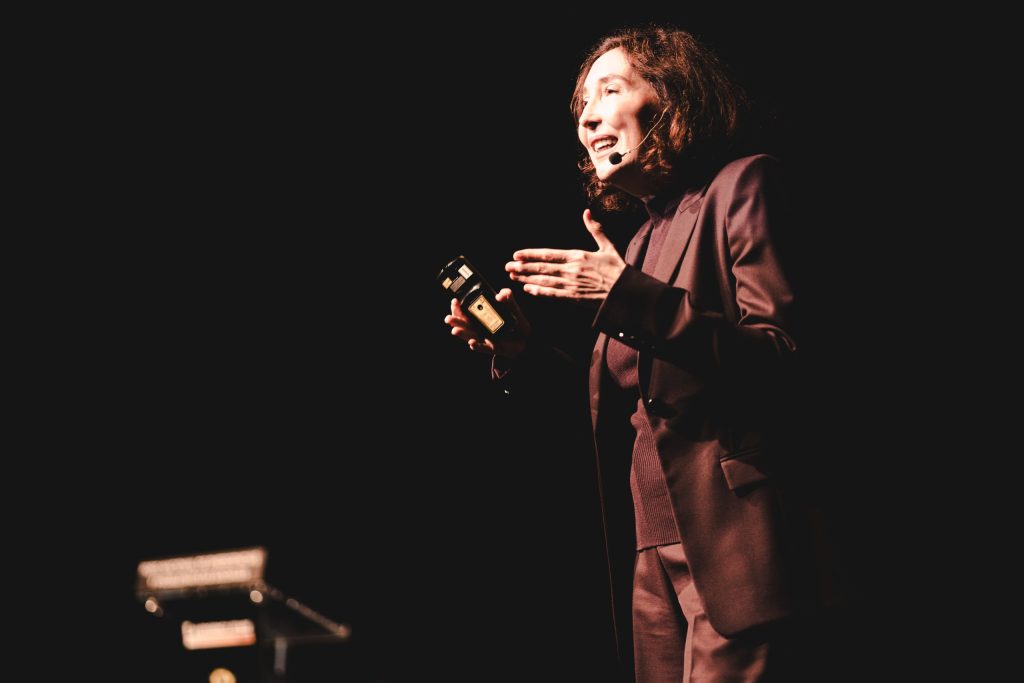
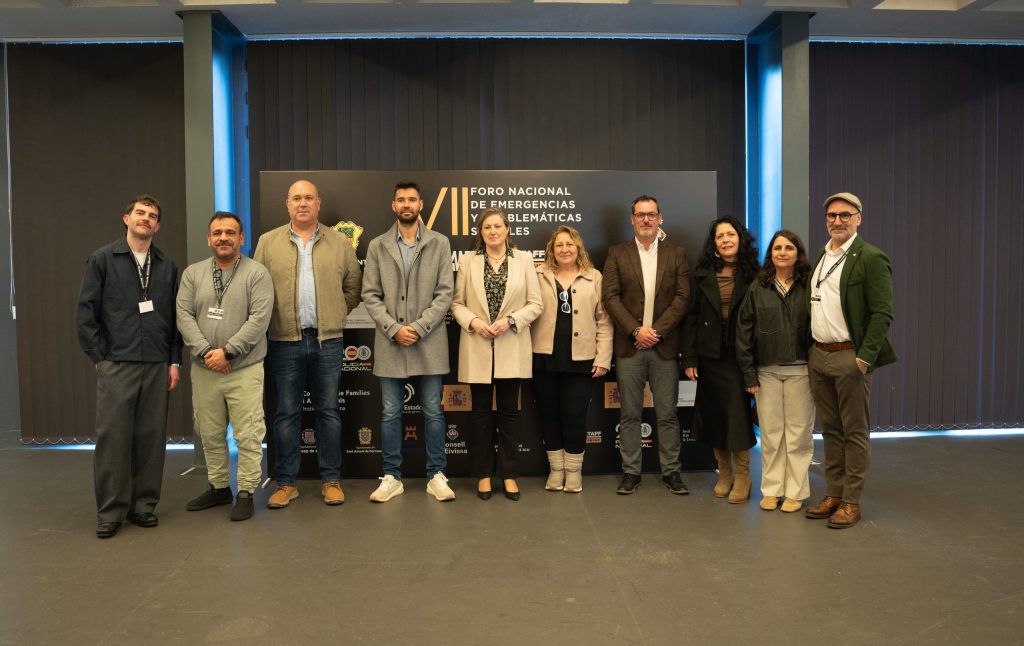
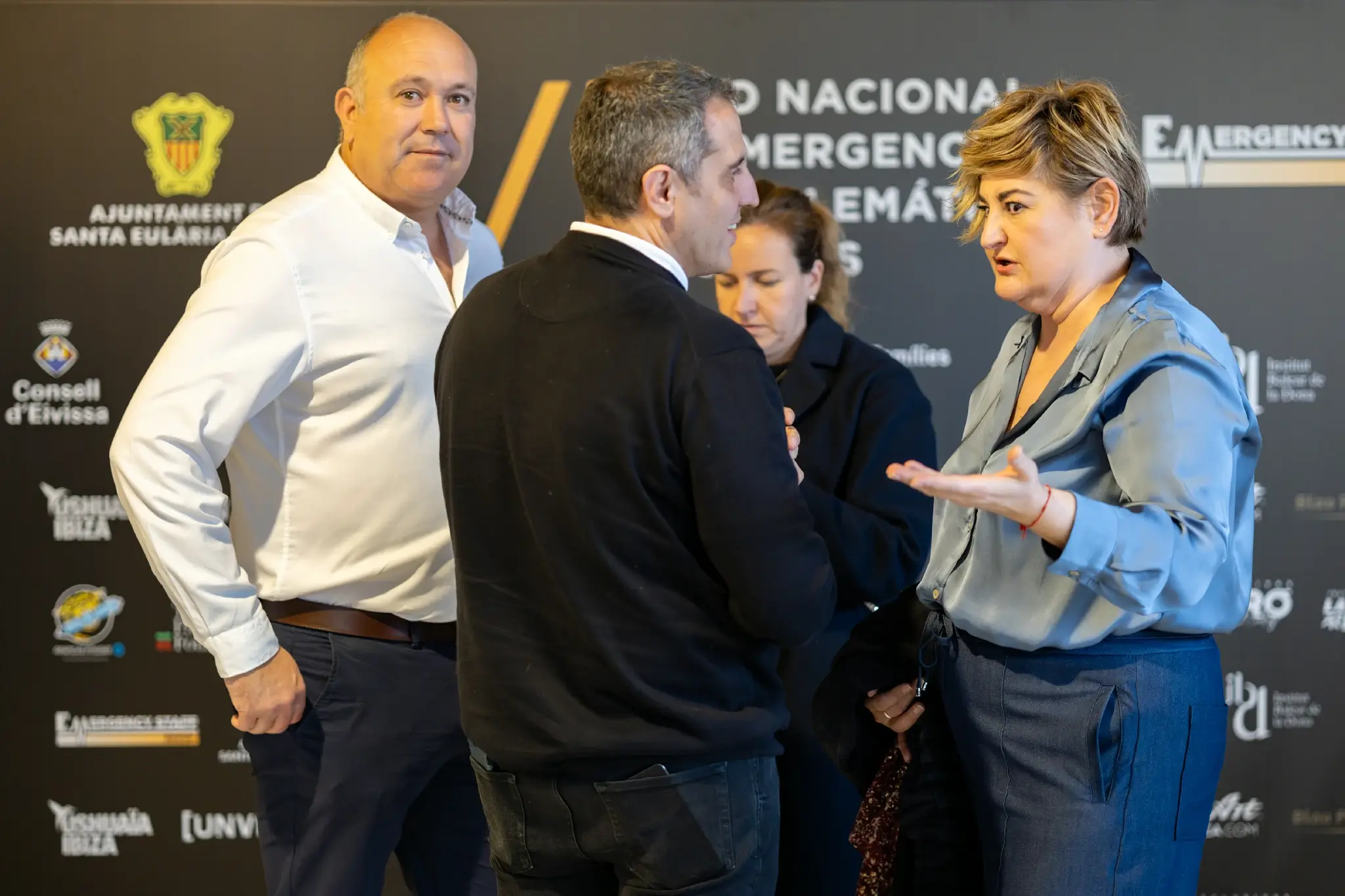
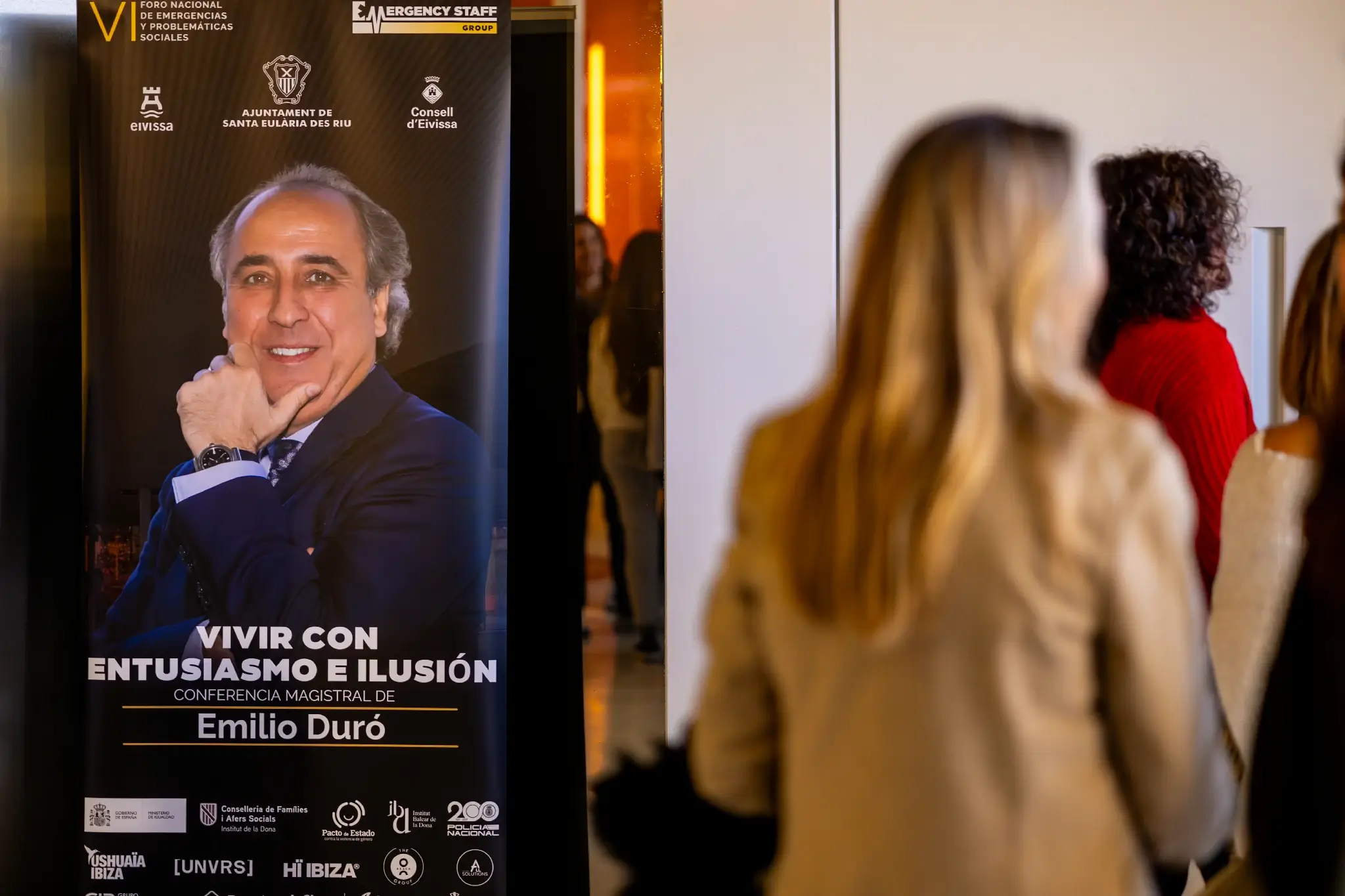
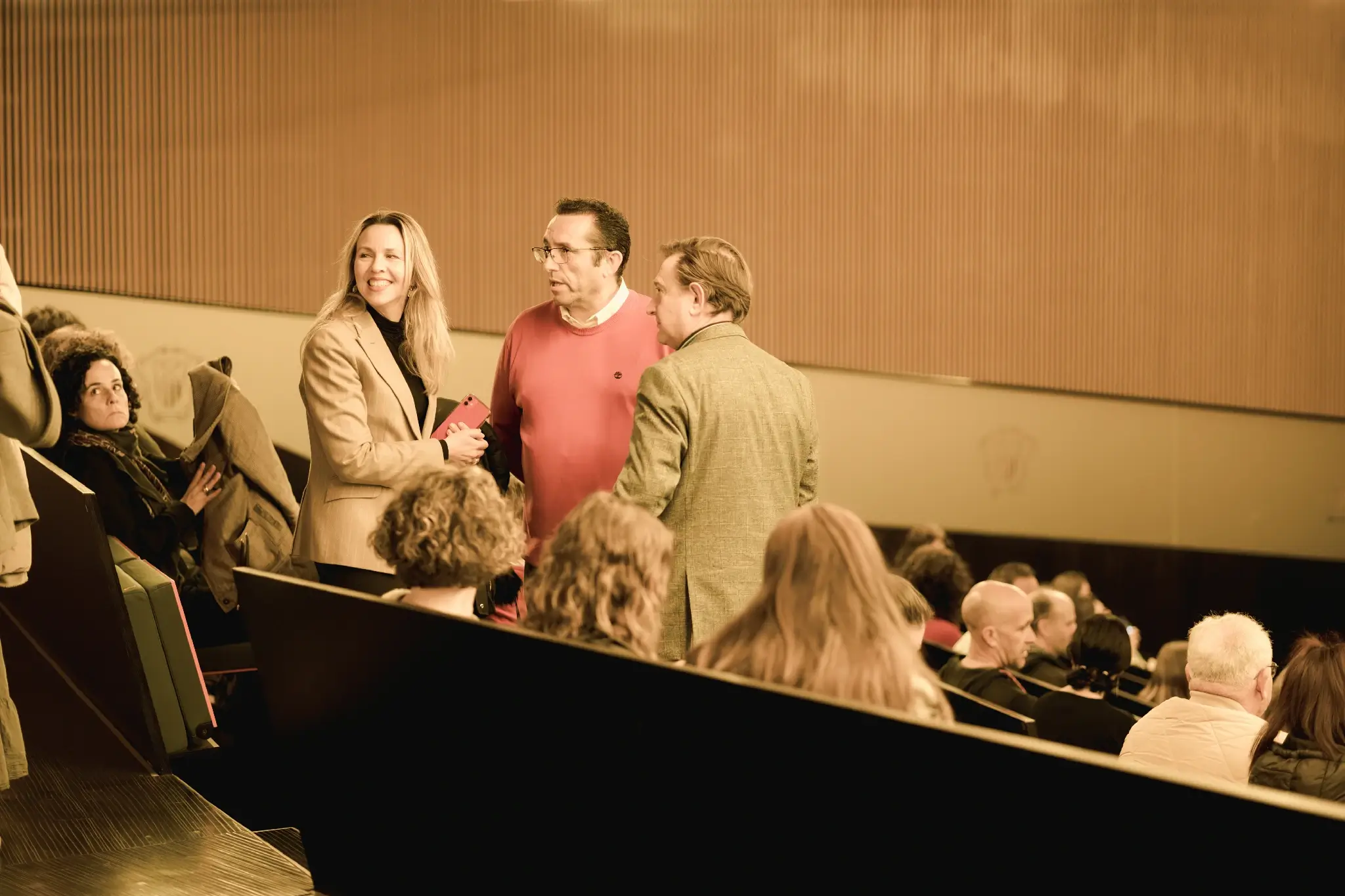
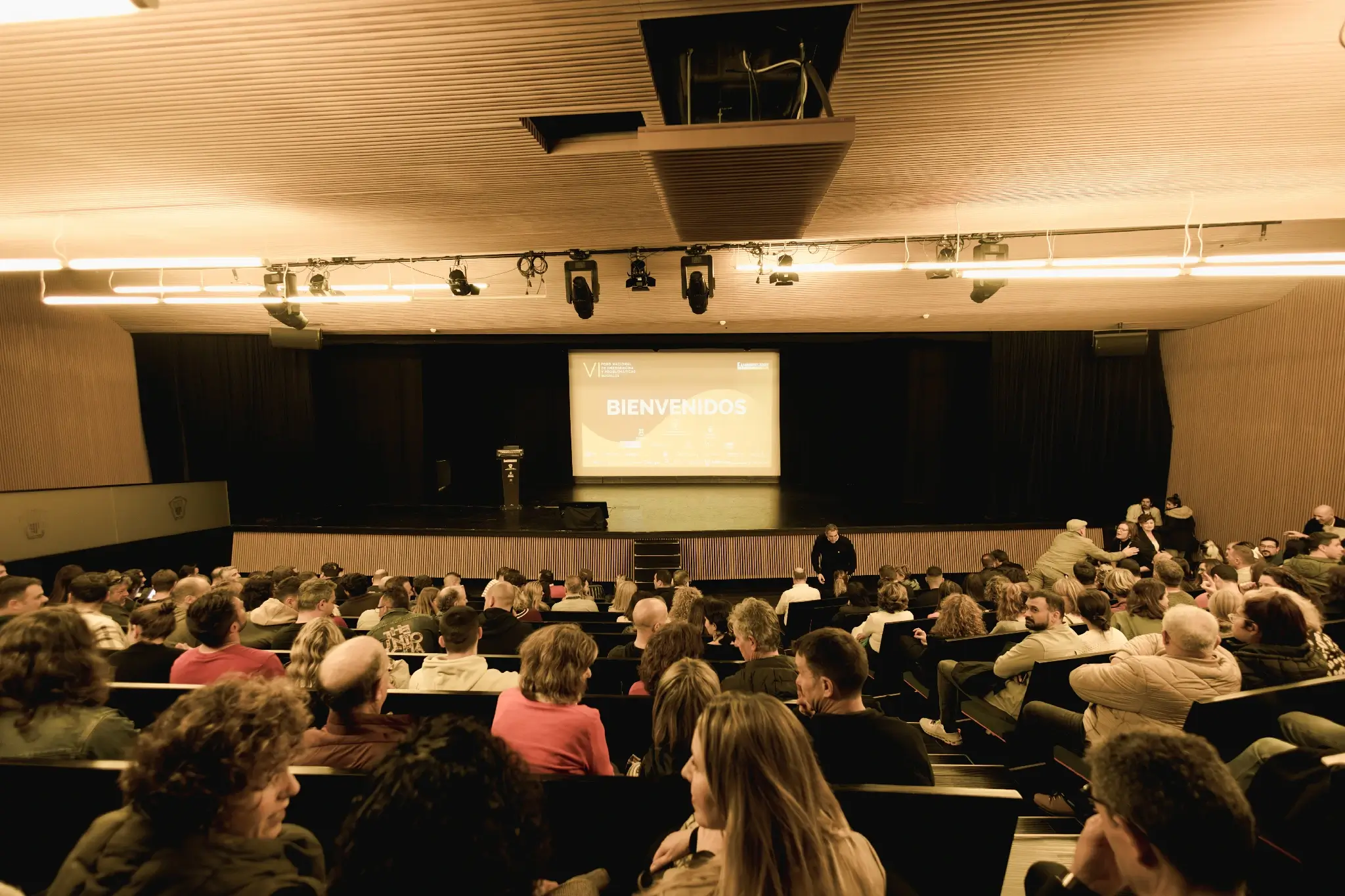
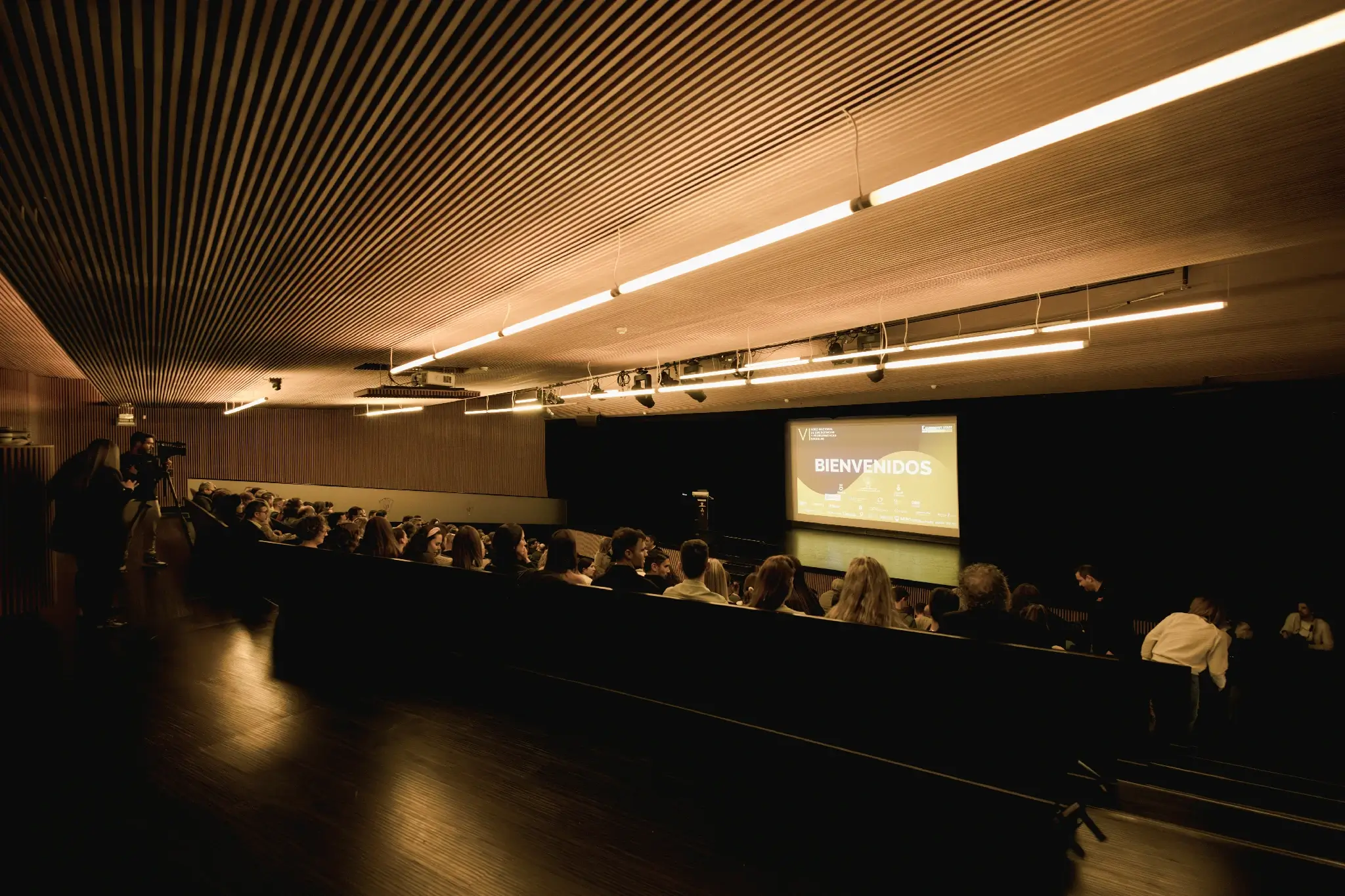
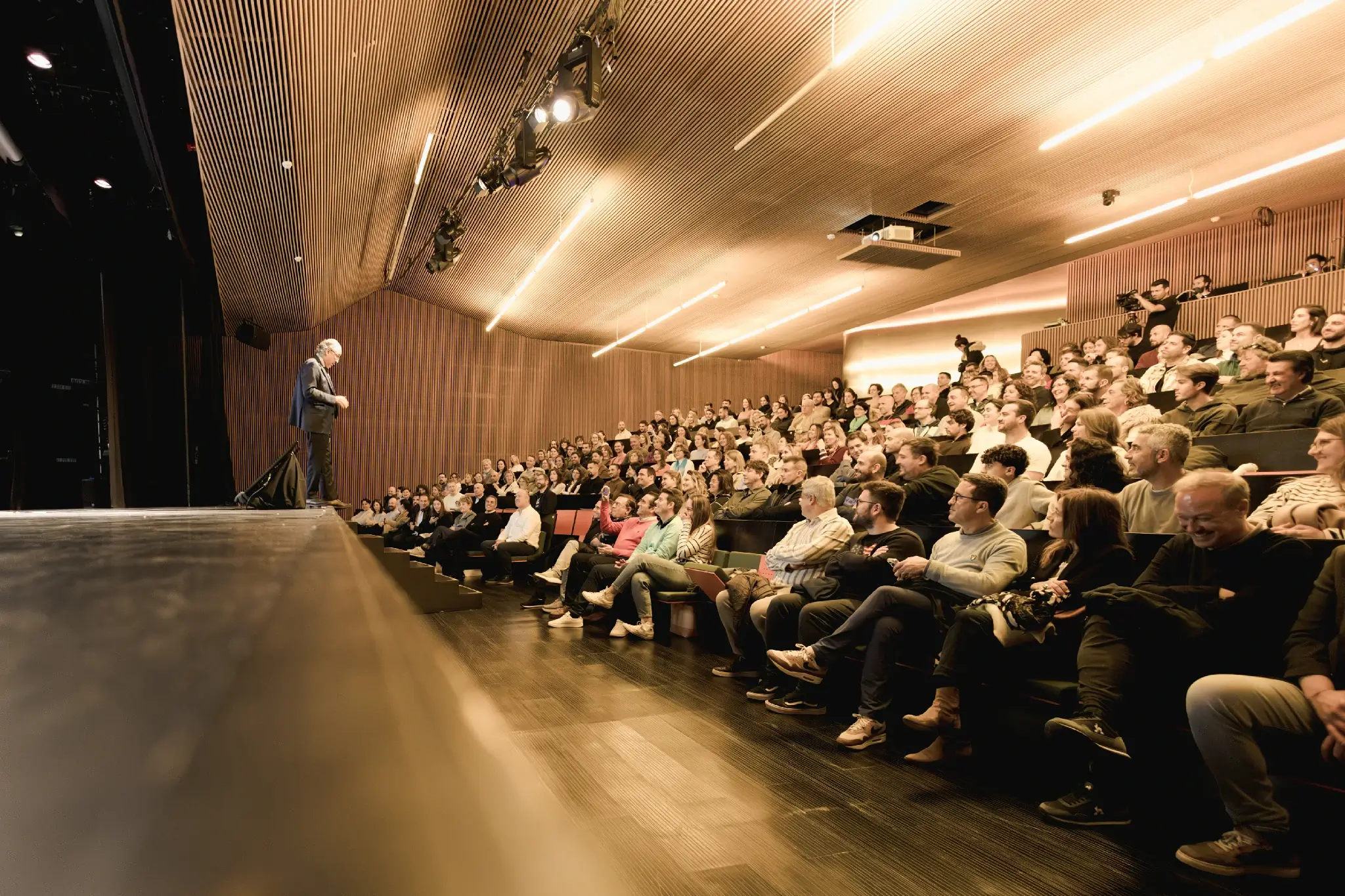
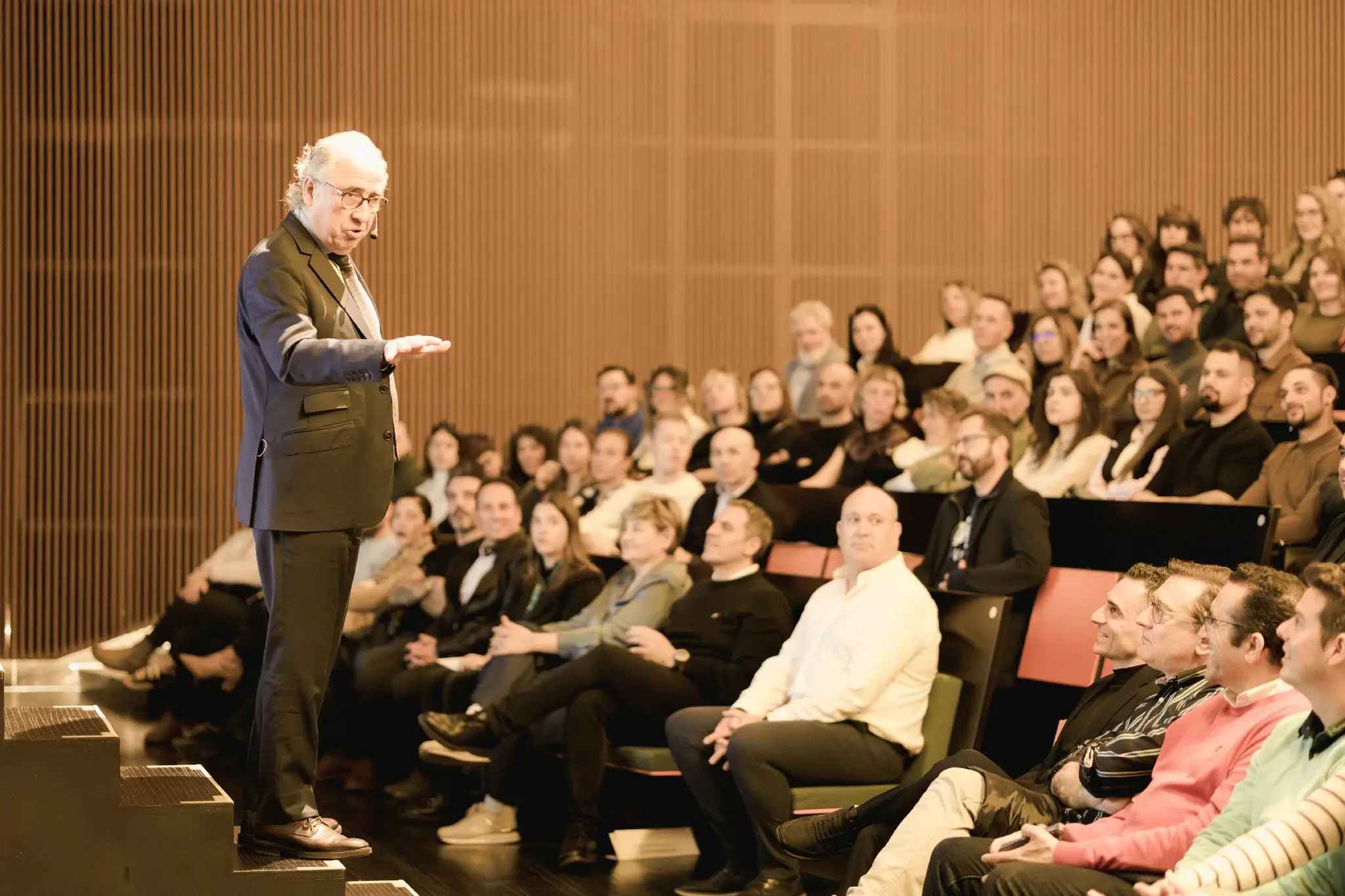
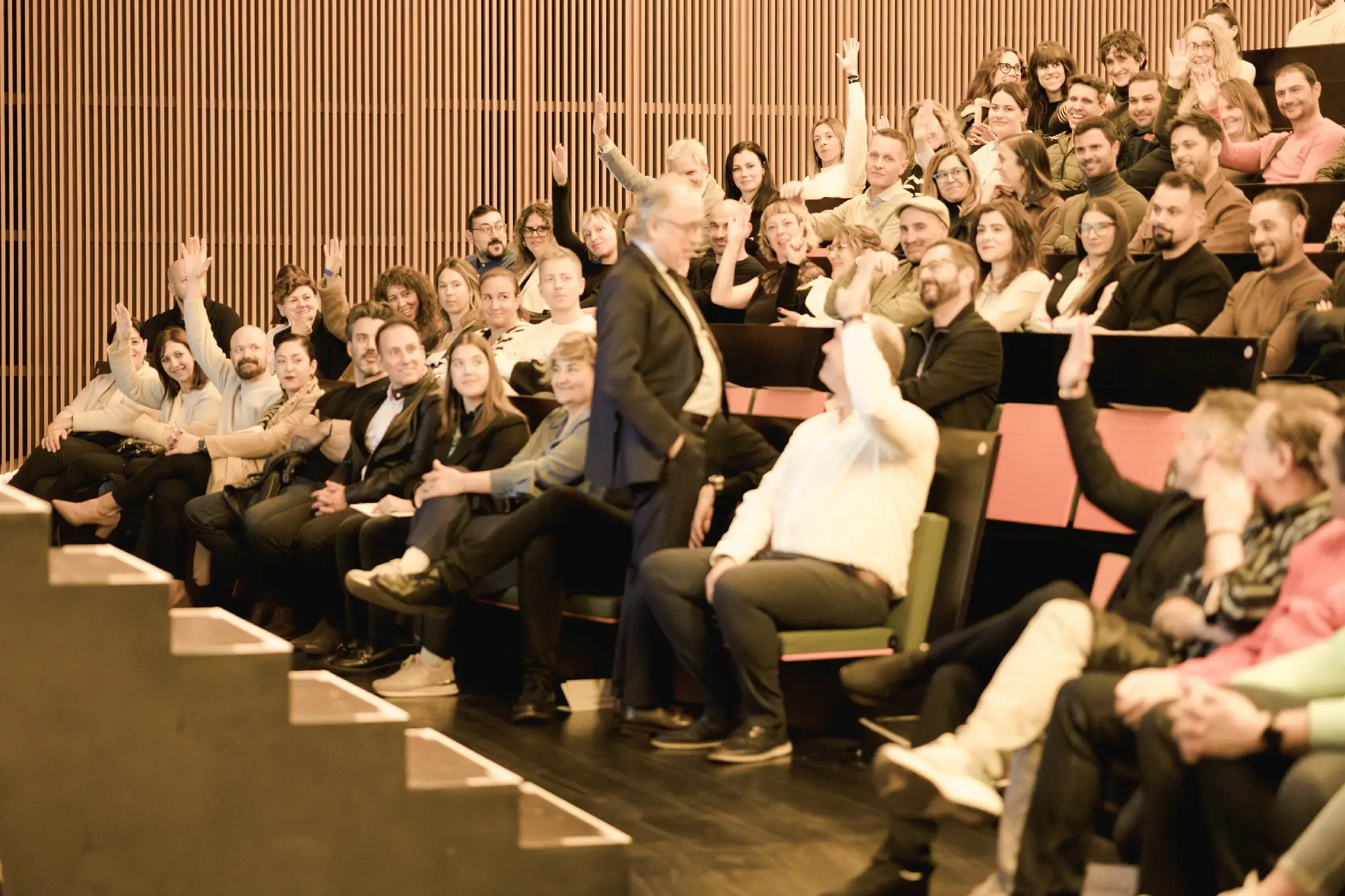
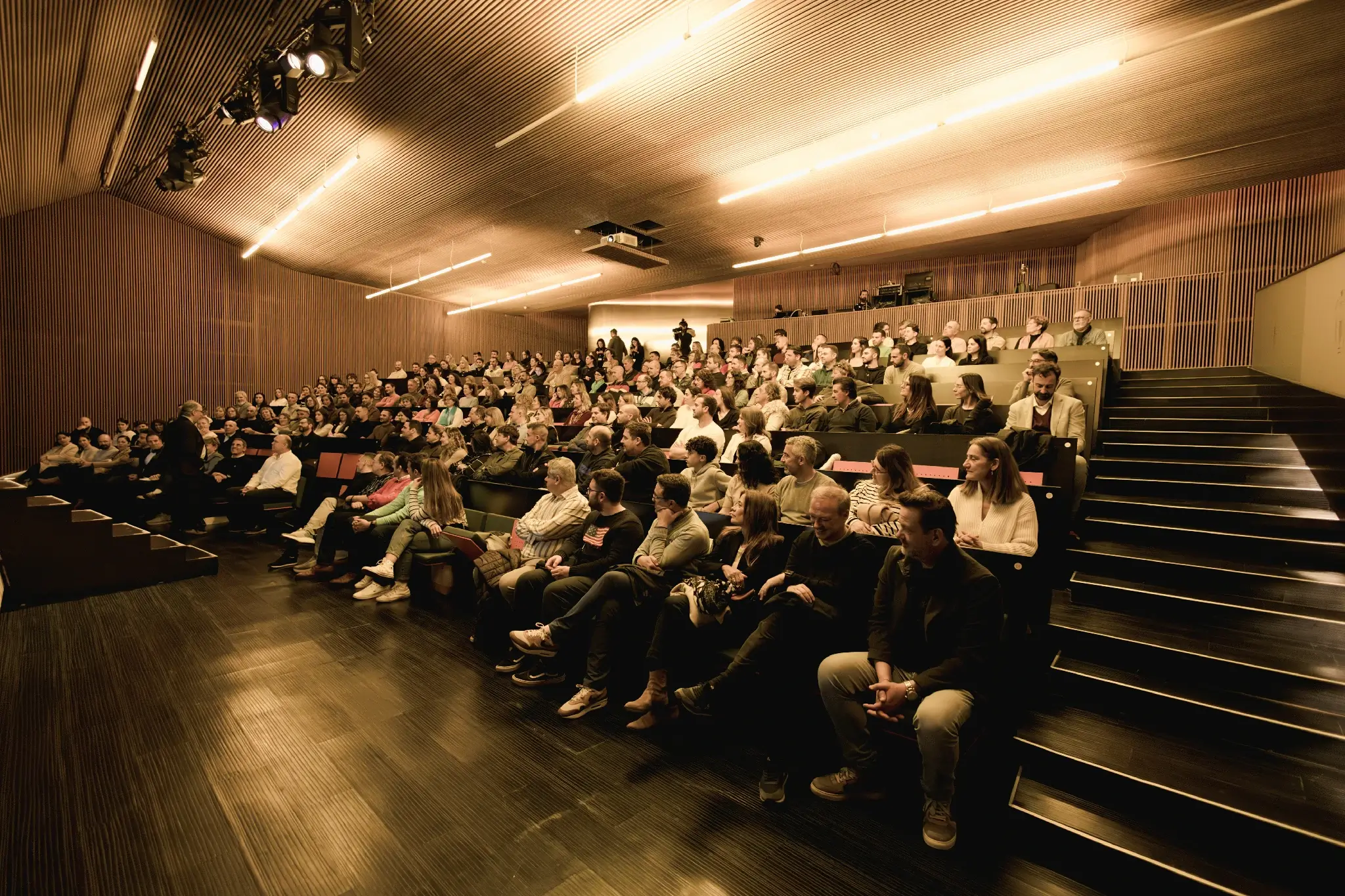
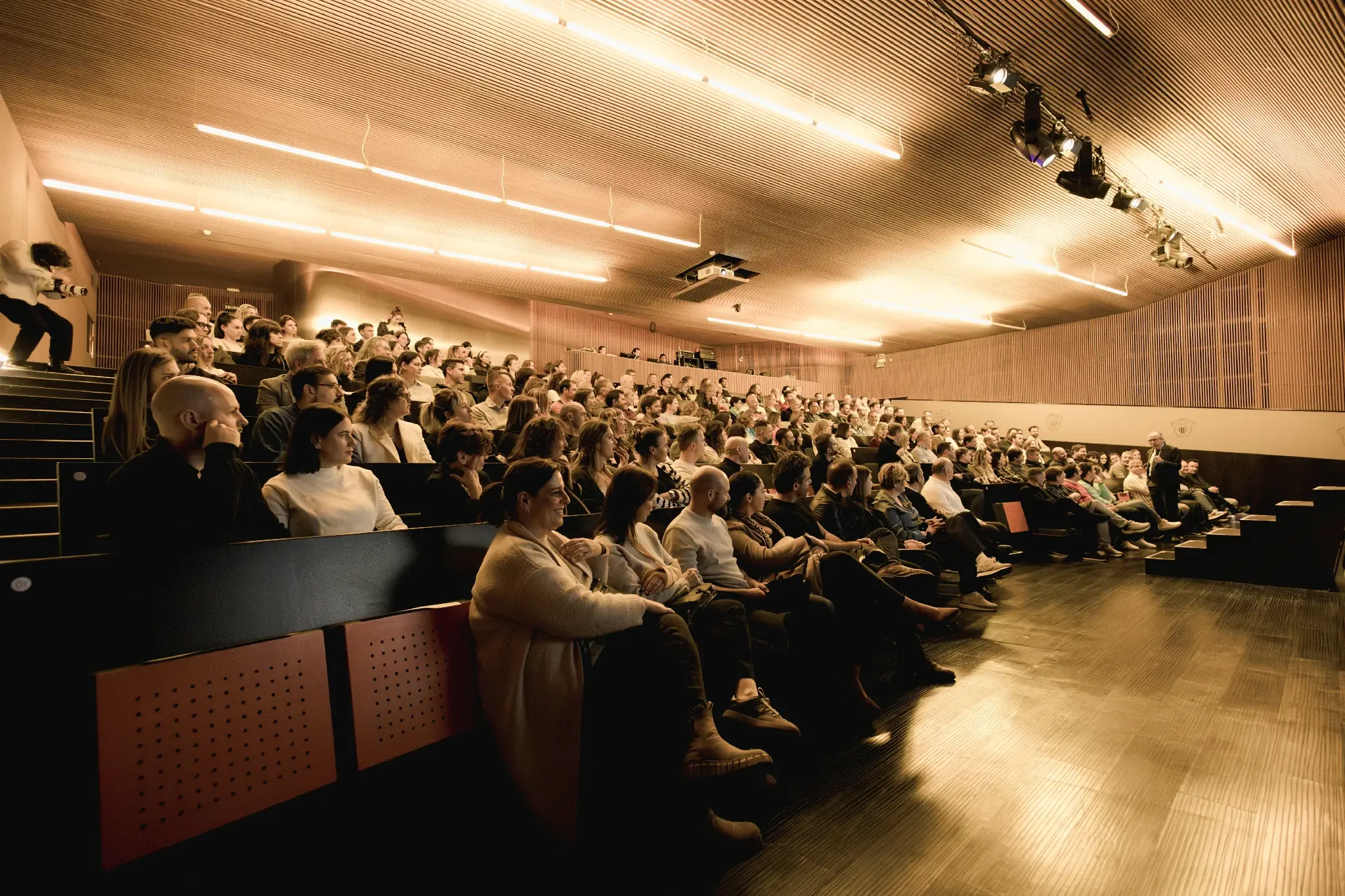
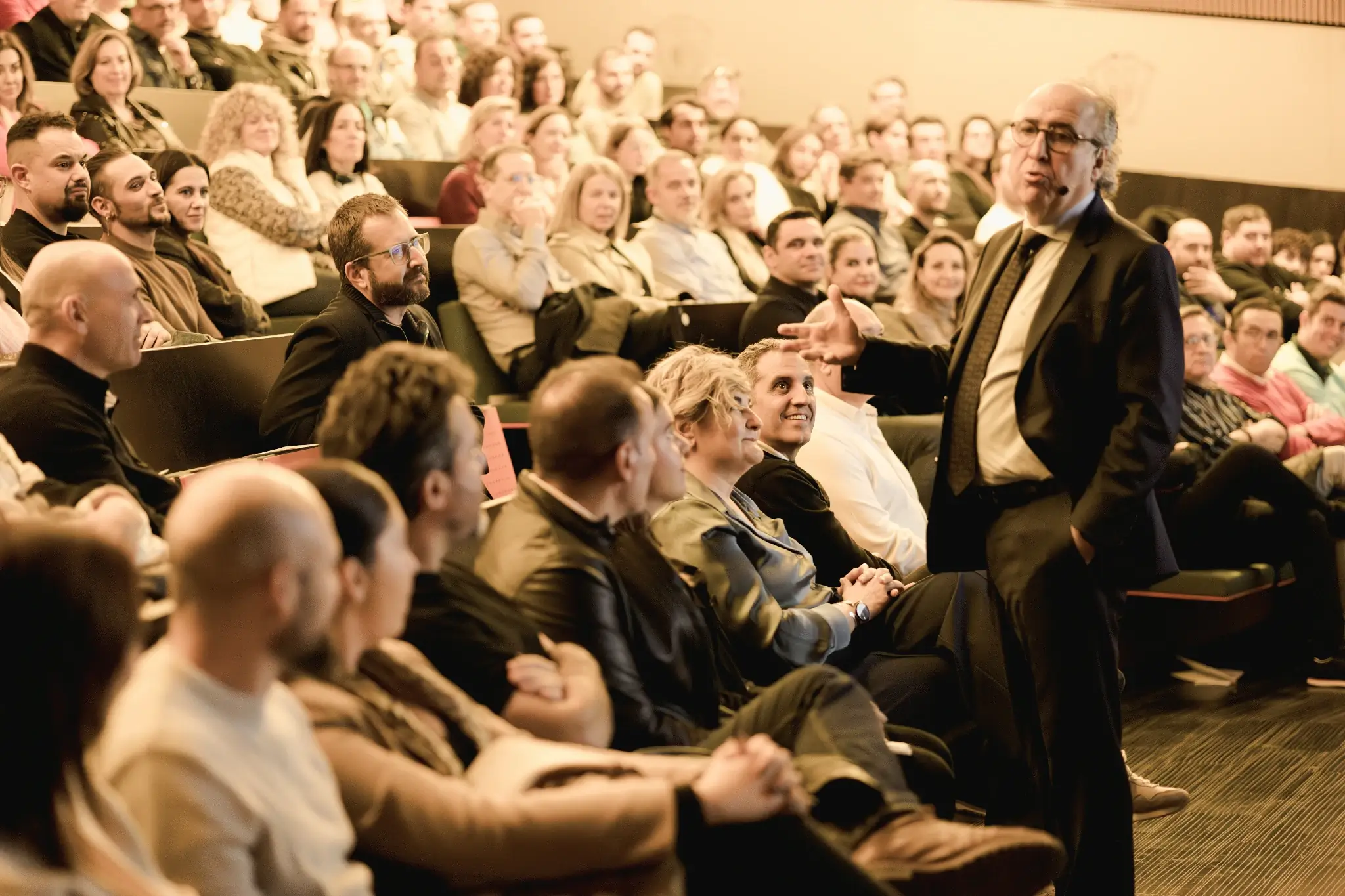
Starting yesterday, the Palacio de Congresos in Ibiza is hosting three nationwide pioneering medical courses designed to equip nearly 150 doctors, nurses, and emergency medical technicians from across the country with the skills to manage drug intoxications, aggressive patient control (CPA), and joint tactics in hostile areas (TCAH). Santa Eulalia’s Councilor for Internal Affairs, María Ferrer, attended yesterday’s opening ceremony, welcoming participants and encouraging them to “train thoroughly in this vital field while enjoying the island’s beautiful landscapes.”
This training week will run through Sunday, April 14th, aiming to position the island as a national benchmark in specialized training through certified courses accredited by the Continuing Education Commission (CFC) of the Balearic Regional Health Ministry and the Spanish Ministry of Health.
As Andrés García Córdoba, Training Director at Emergency Staff, announced, 17 instructors will deliver practical and theoretical modules to 80 students in the first course, 45 in CPA, and 25 in TCAH—nearly double the enrollment from the previous year. “Professionals are traveling to Ibiza from Madrid, Valencia, Catalonia, and the Canary Islands to receive this nationally valid certification, featuring a multidisciplinary team of doctors, nurses, psychologists, social educators, police officers, and actors to provide a comprehensive vision,” he specified during the presentation.
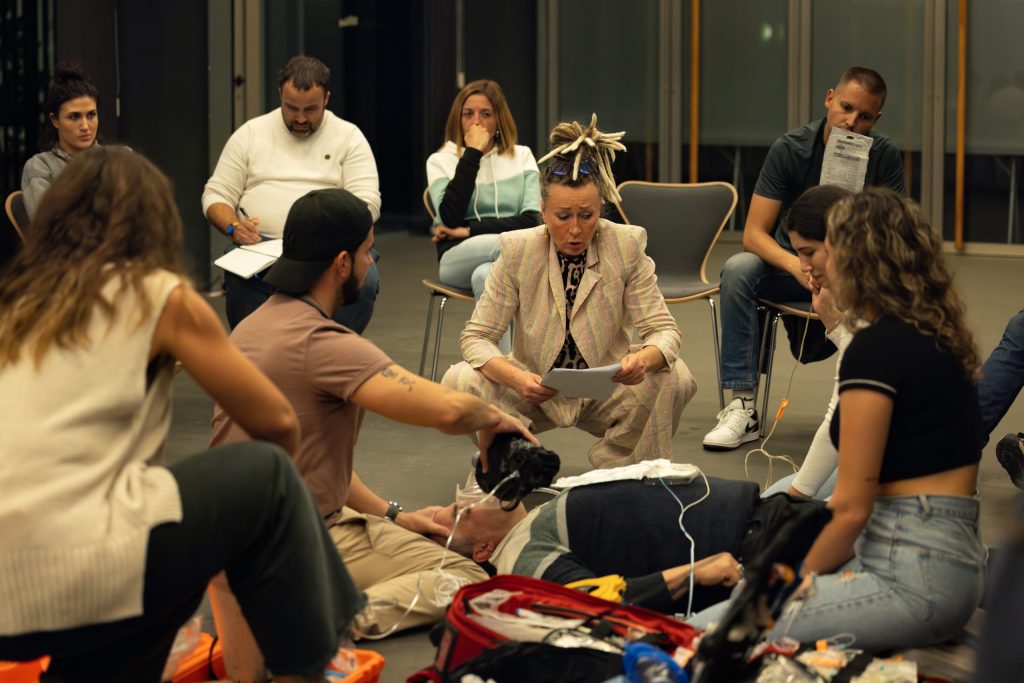
Along these lines, the expert recalled that Emergency Staff has treated over 7,000 patients, giving the company one of the most extensive clinical case databases in Europe. “The goal is for clinicians to get an update on newly emerging drugs, learn how to better manage and treat these patients, understand risk reduction and prevention, and navigate ethical and legal aspects of medical care,” he summarized. This course also features role-playing simulations with actors, designed to immerse participants in real-life scenarios to solve patient care challenges.
TCAH: Police and Healthcare Workers United for the First Time
Andrés García Córdoba described the TCAH (Joint Tactics in Hostile Areas) course as “a milestone” in healthcare training, as it brings together healthcare professionals and police officers in Spain for the first time so that both, working as paired teams, know which protocols to follow during hostile situations. The Training Director at Emergency Staff specified that law enforcement officers and emergency healthcare workers must “create a seamless operational unit in civilian scenarios for daily application.” To achieve this, the course will feature participation from TDPE officers, Spain’s premier police security training company. “It is essential that we learn to evaluate hostile situations early on, such as domestic violence calls, to safely access locations where we are needed and take action.” Consequently, 90 percent of instruction will be practical, with only 10 percent theoretical.
Similarly, the Management of Aggressive Patients (CPA) course, like TCAH, is designed for nurses, doctors, and emergency medical technicians, and will be delivered in partnership with TDPE. “We want them to know how to respond in high-stress situations and prevent potential aggression, turning workplaces into safe environments—since healthcare is one of the top five professions suffering the most attacks. It is vital that we possess precise tools for verbal patient de-escalation, physical restraint, and sedation,” concluded García Córdoba.