- Ibiza company Emergency Staff detects that ecstasy tablets have stabilized their MDMA composition and active substance dosage
- Specialized training is essential for confronting critical scenarios triggered by drug consumption
IBIZA, May 10, 2014 (IMAM COMUNICACIÓN)
Due to the compression of the summer tourism season in the Balearic Islands, Ibiza acts as a “testing ground” for tracking the latest drug trends. As Emergency Staff’s Training Director explains: “It’s not that more drugs are consumed on the island, but given the type of tourism Ibiza receives, consumption is generally compressed into a shorter timeframe.” The Ibiza-based company, which just wrapped up a course on Drug Poisoning & Intoxications, is a pioneer in logging and treating most psychotropic substances. With over 15,000 cases managed during eight years operating on the island, they have created one of the most comprehensive clinical treatment catalogs. As a key finding from last season, the Emergency Staff team noticed that ecstasy tablets had stabilized around 110 mg of MDMA. As García explained, “this is crucial data when treating intoxications, as previously the drug dosage varied dramatically from one pill to another.”
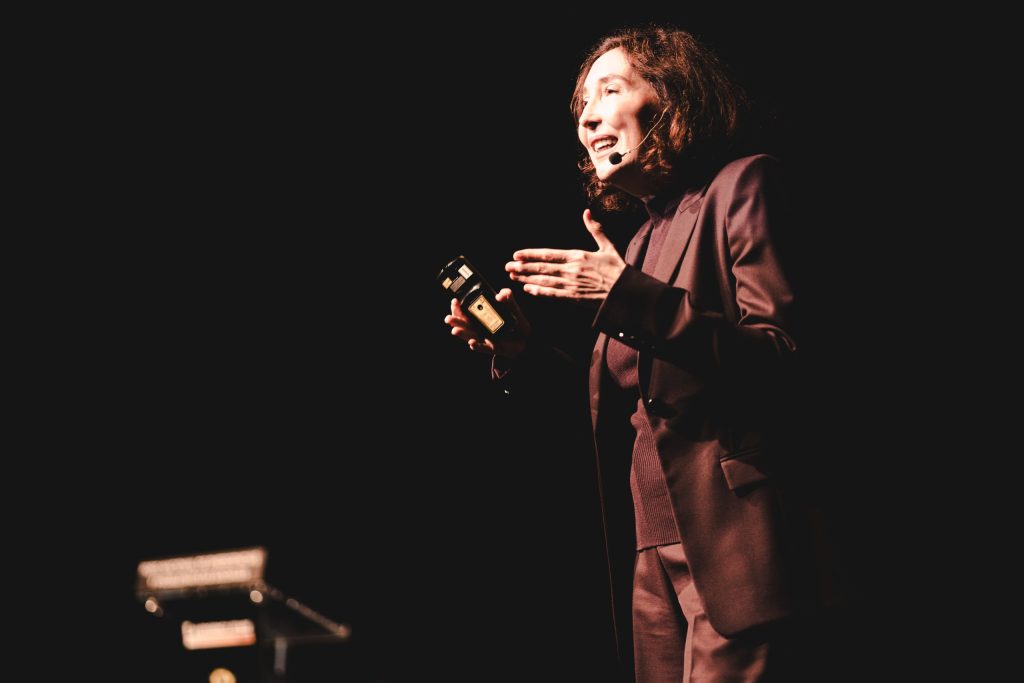
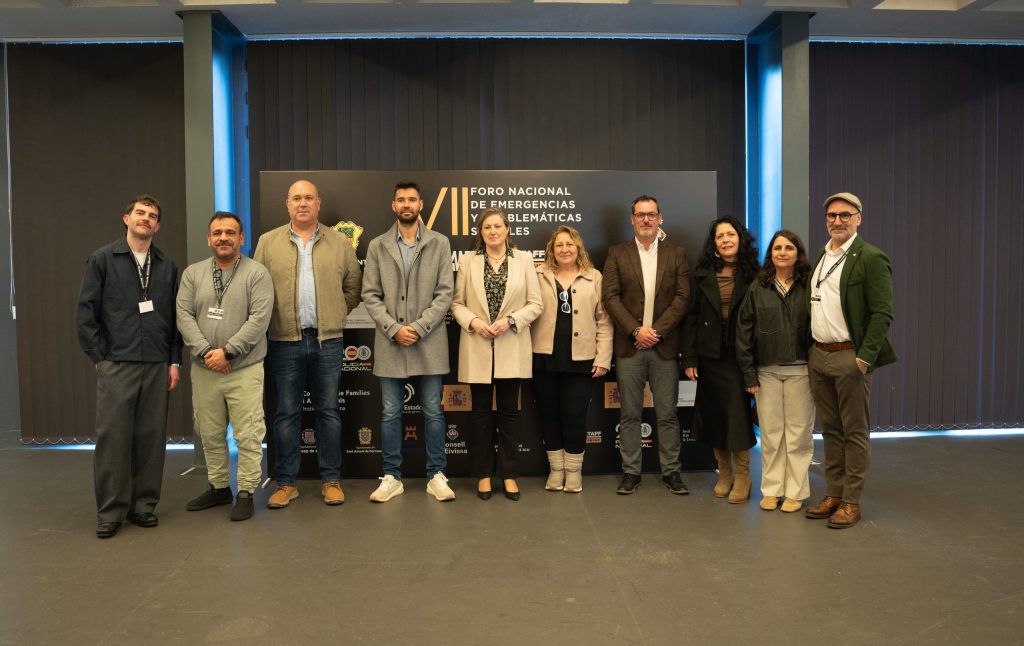
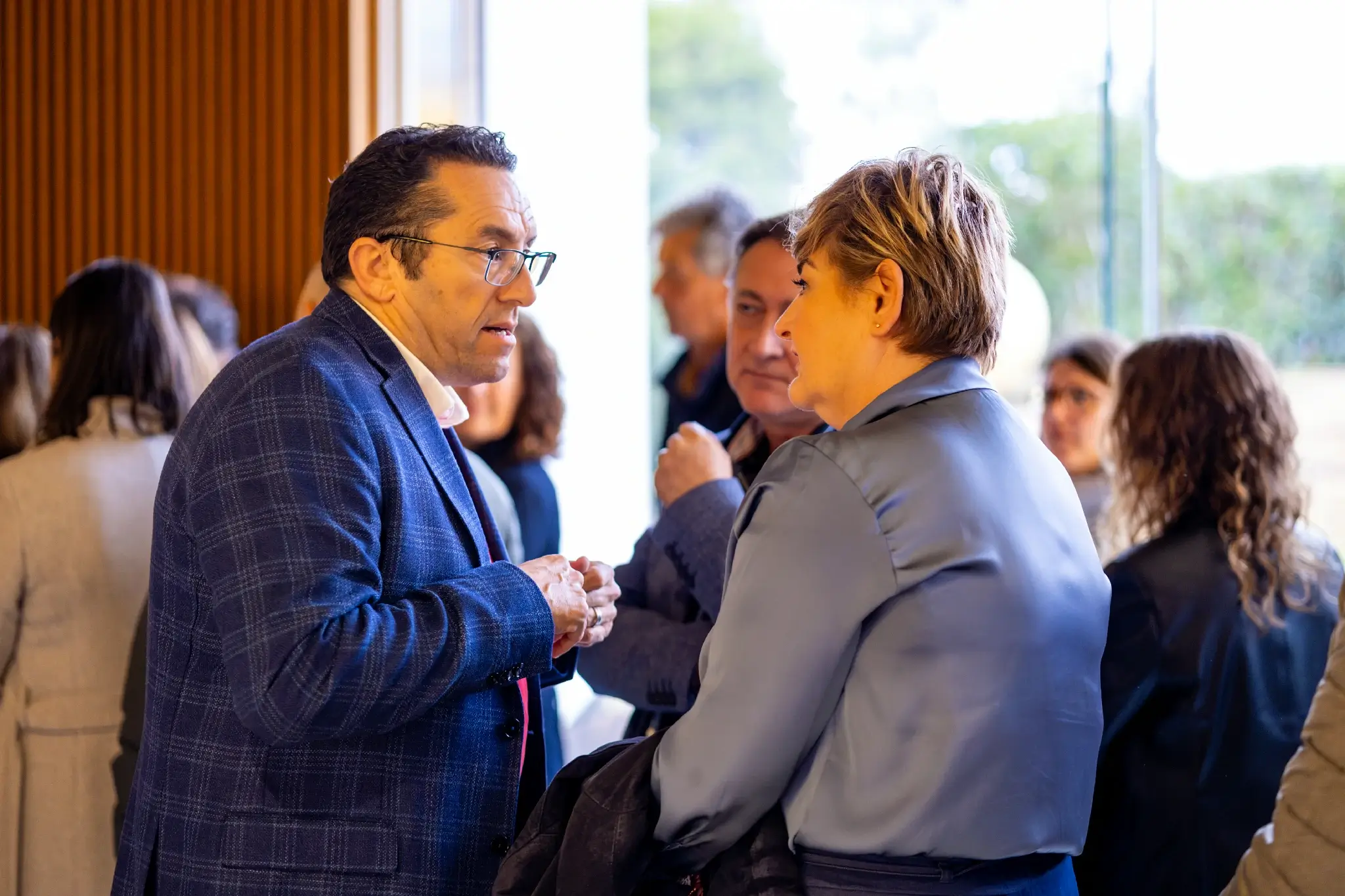
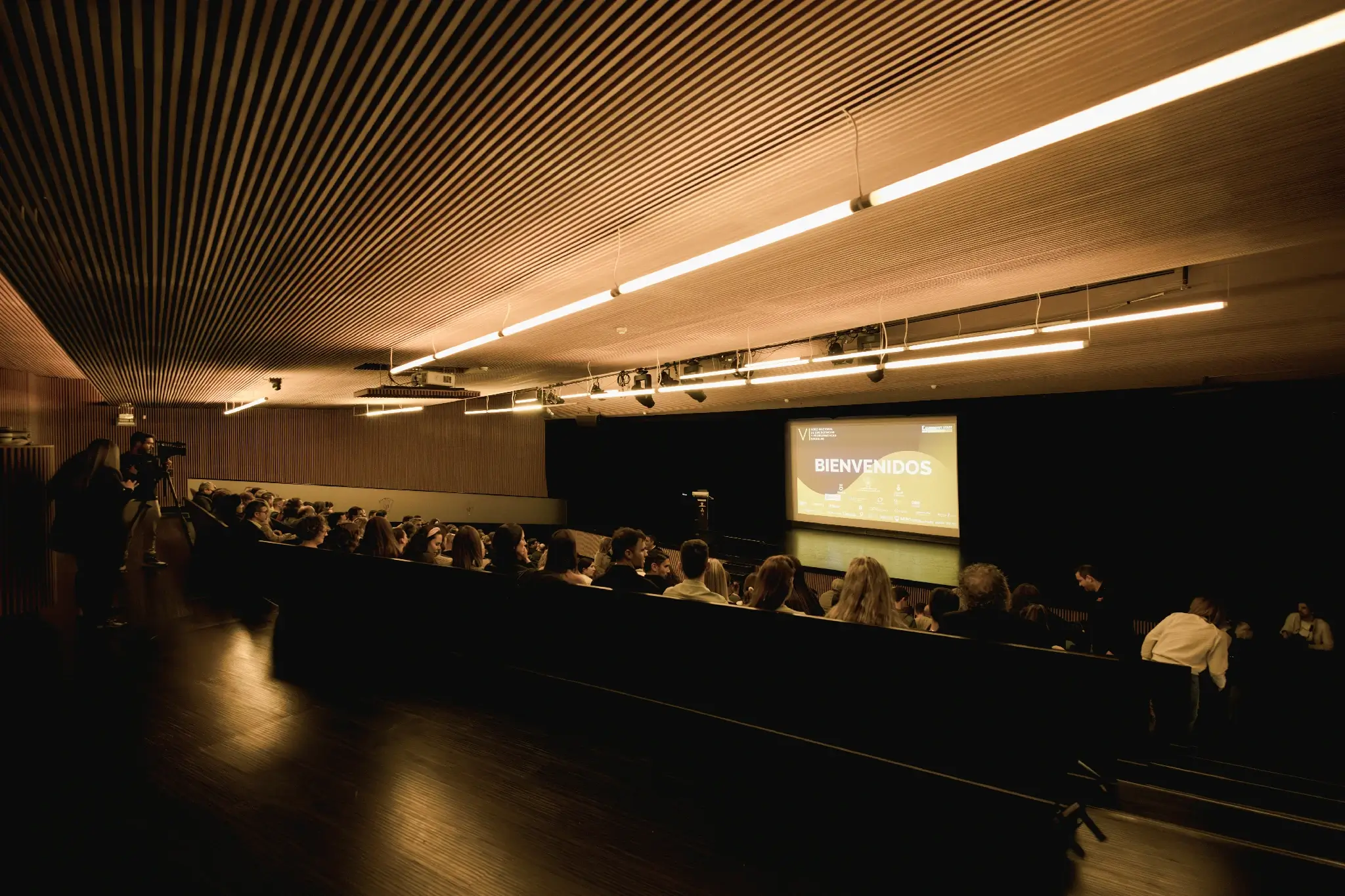
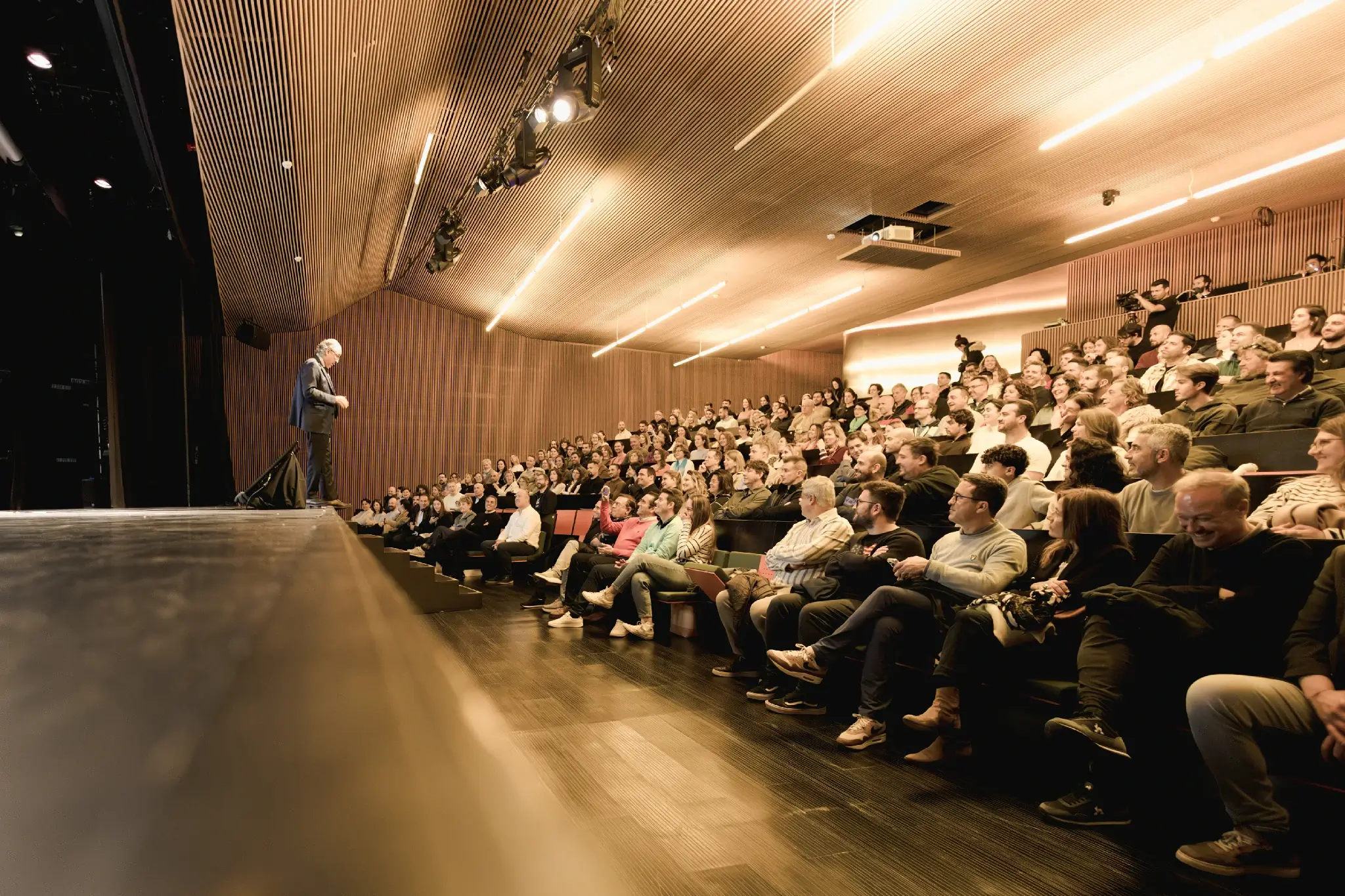
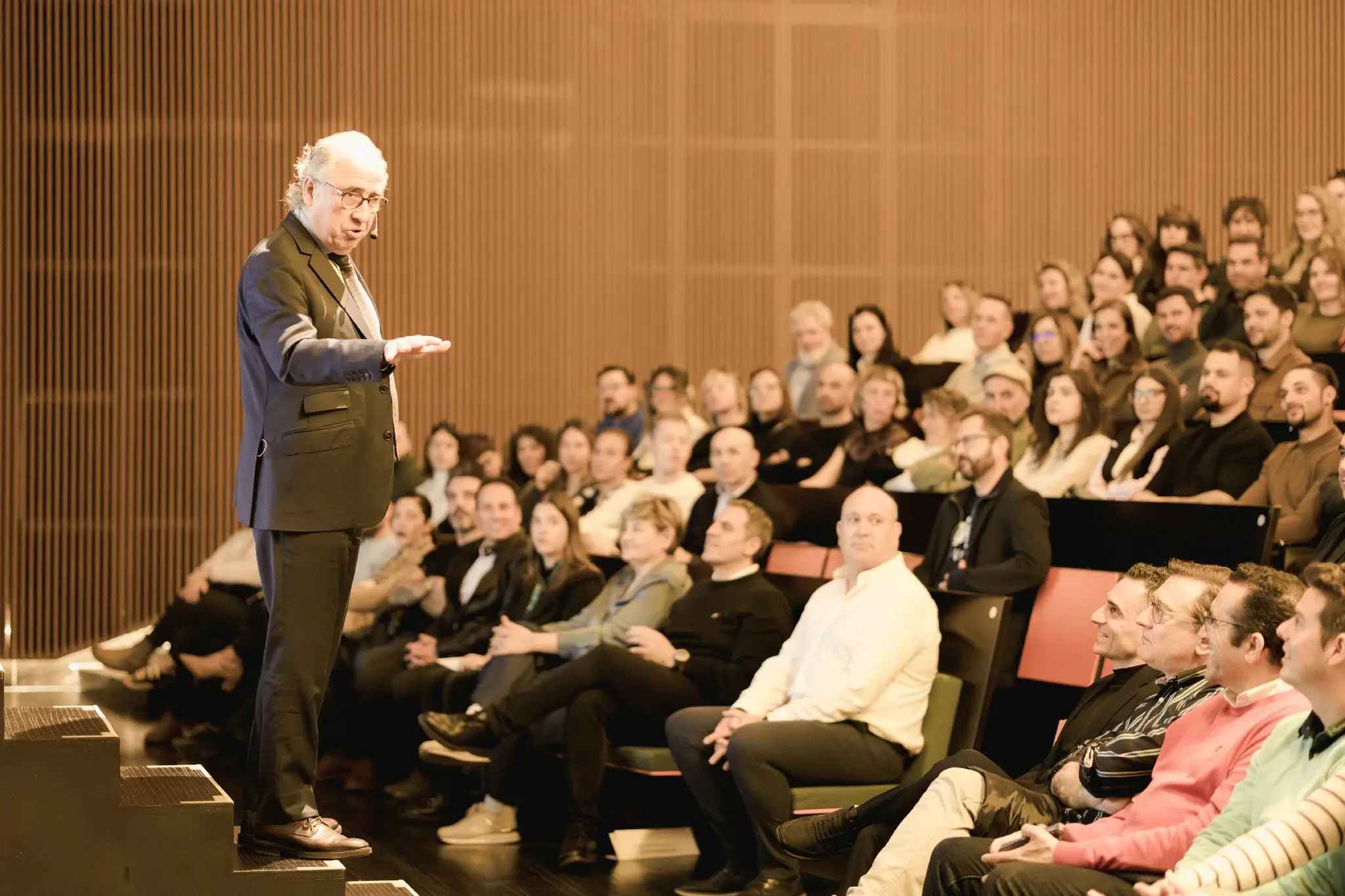
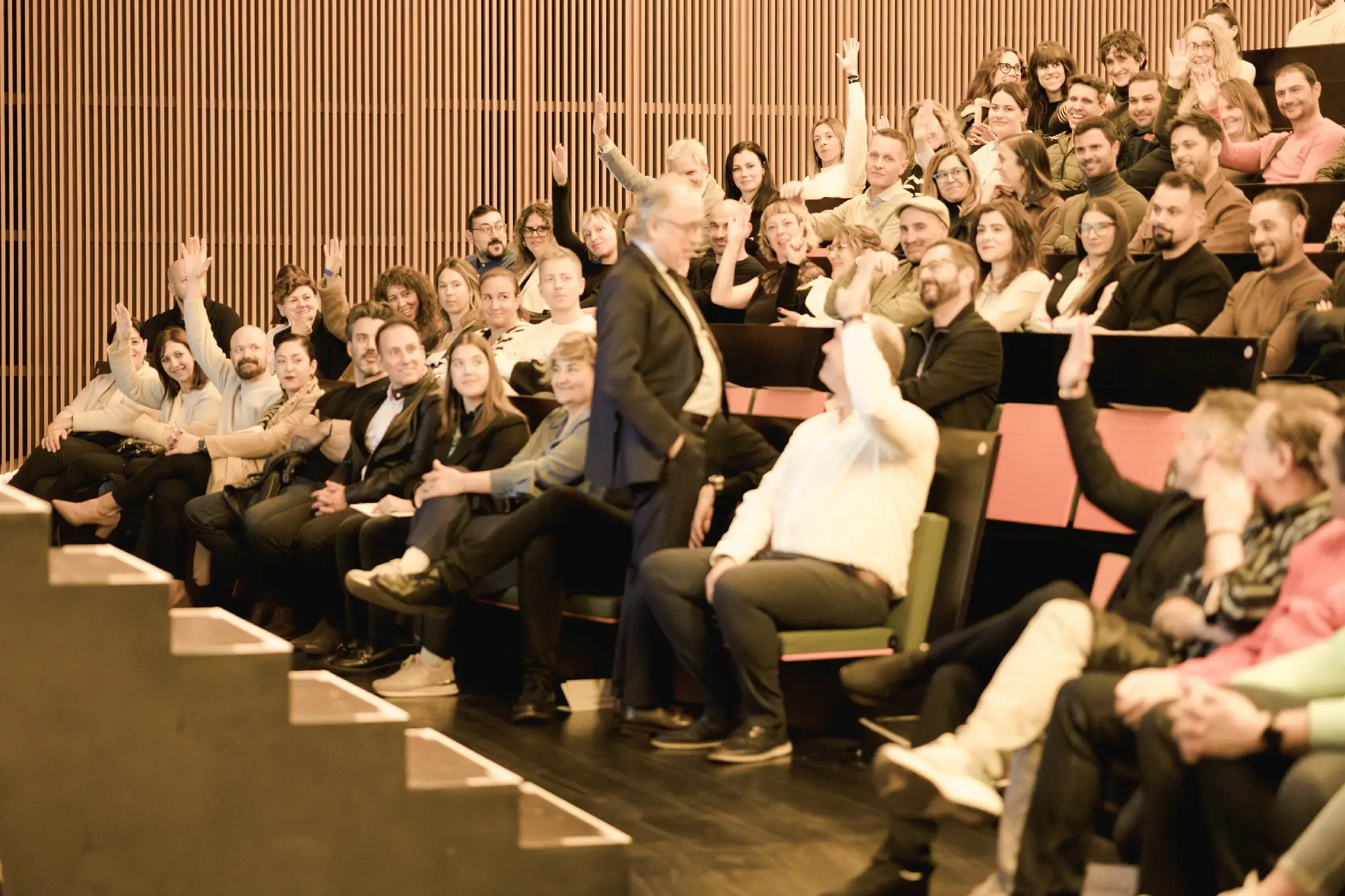
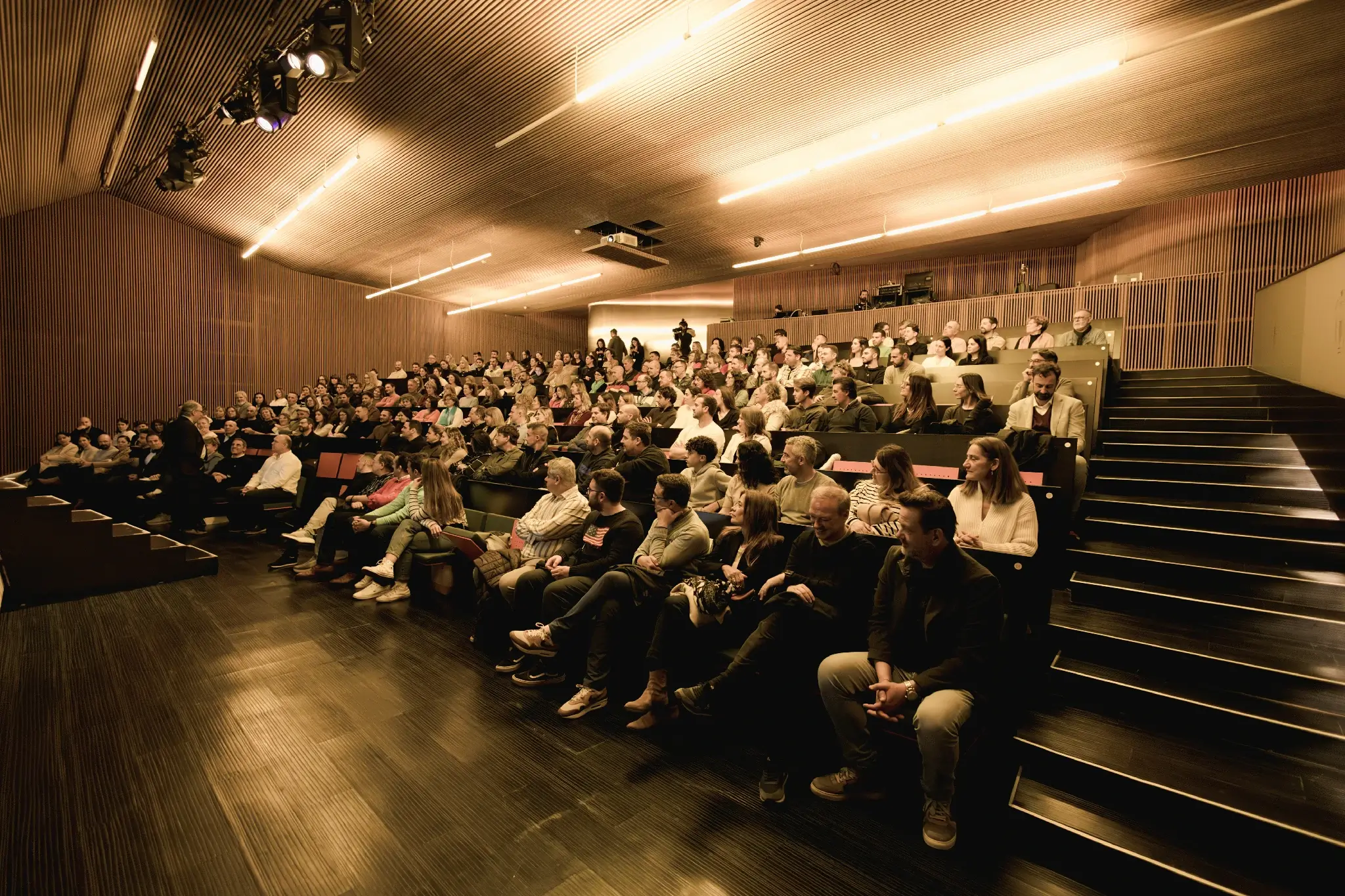
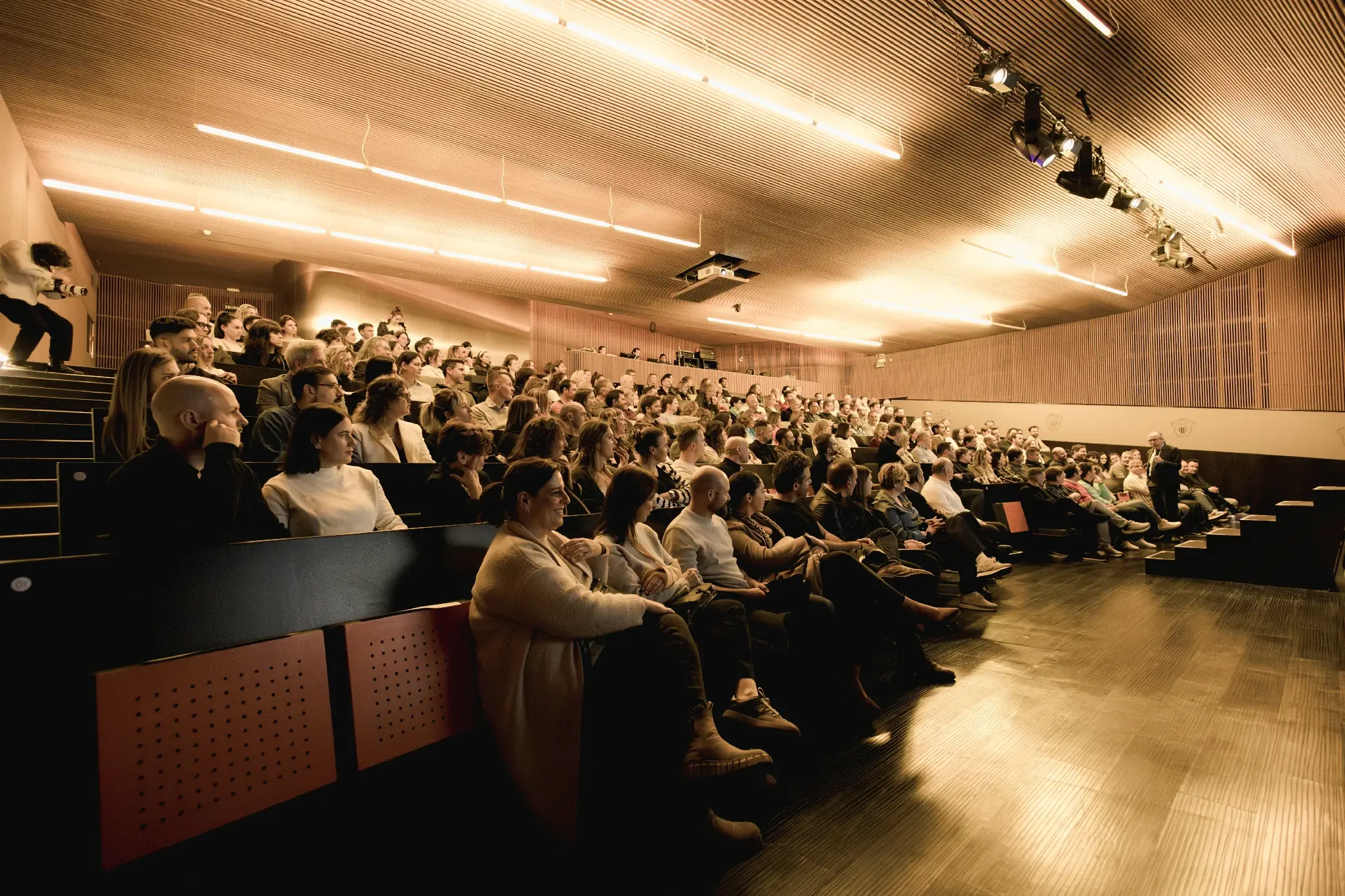
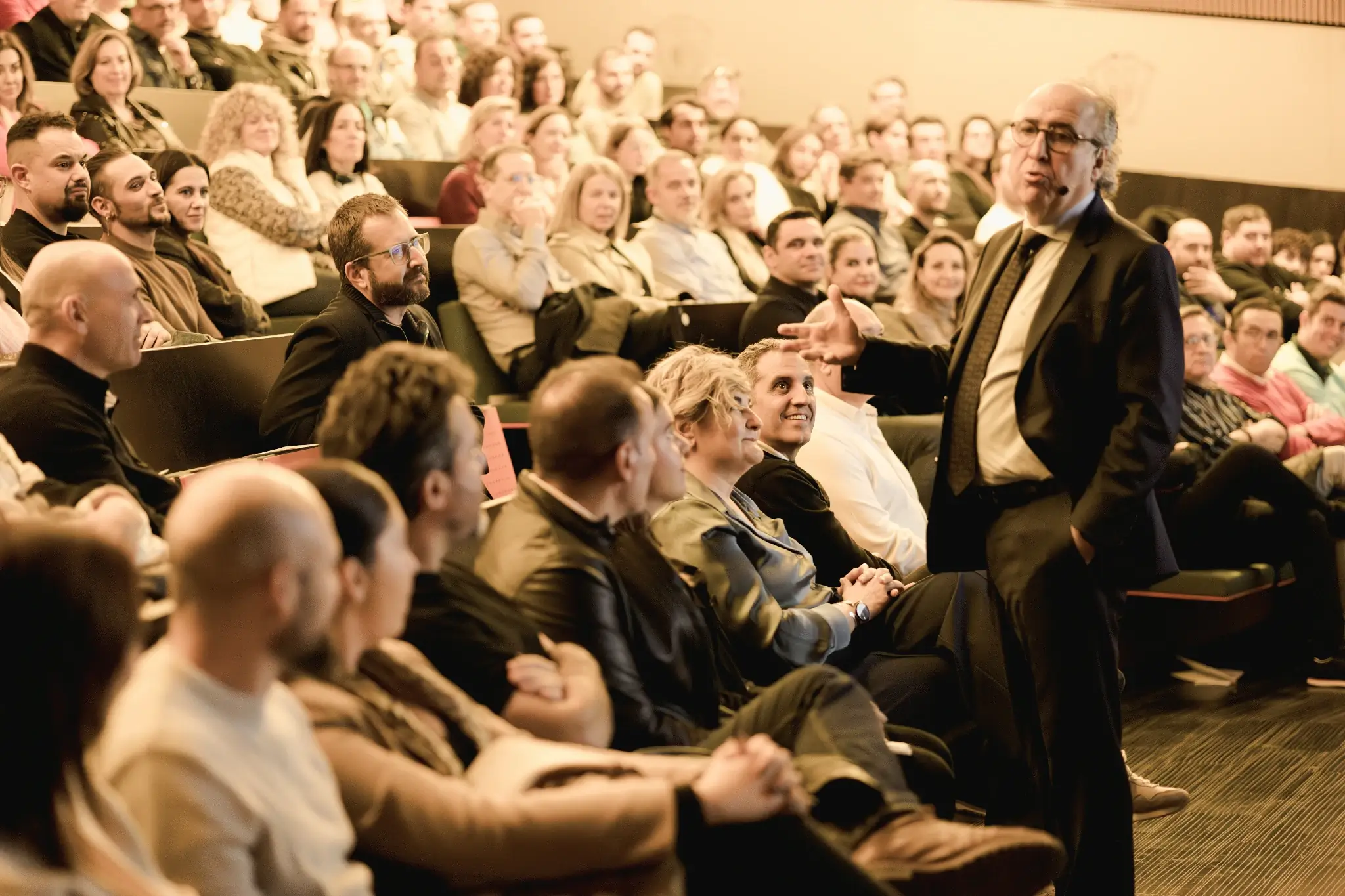
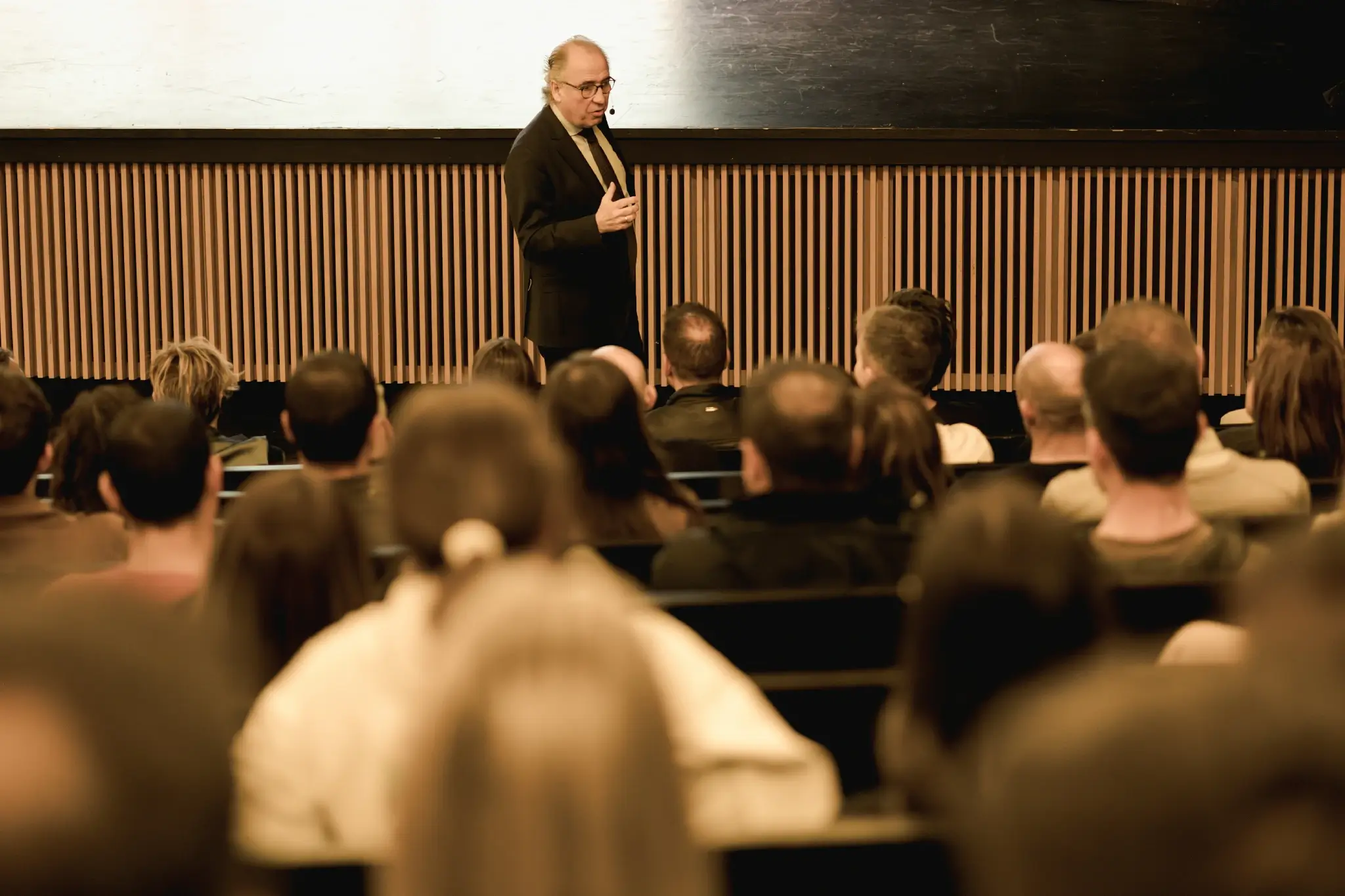
Ibiza company Emergency Staff closed the 7th Edition of its Drug Poisoning & Intoxications Course and the Management of Agitated Patients in Hostile Areas course this week, both accredited with a CFC certificate. Professionals from across Spain, and for the first time across Europe, attended these pioneering sessions in both content and format. As Andrés García, Training Director at the company, explains: “Over four days, participants learn to view intoxications from a whole new perspective,” adding that “behind a simple drug intoxication, there can be many underlying issues such as assaults, traffic accidents, or sexual assaults. That is why we teach our students to look far beyond what is visible at first glance.”
Thus, as Andrés García, Training Director at the company, explains: “It is vital for healthcare workers to know how to confront situations triggered by an intoxicated patient.” He adds that “many nighttime accidents are directly or indirectly linked to drug use.” Identifying intoxication, recognizing the causes of patient distress, and acting as quickly as possible is essential to minimizing the severity of injuries. Medical staff emphasize that “it is crucial for professionals to be trained in these procedures, as one must look beyond apparent drunkenness or fainting so that no loose ends remain.”
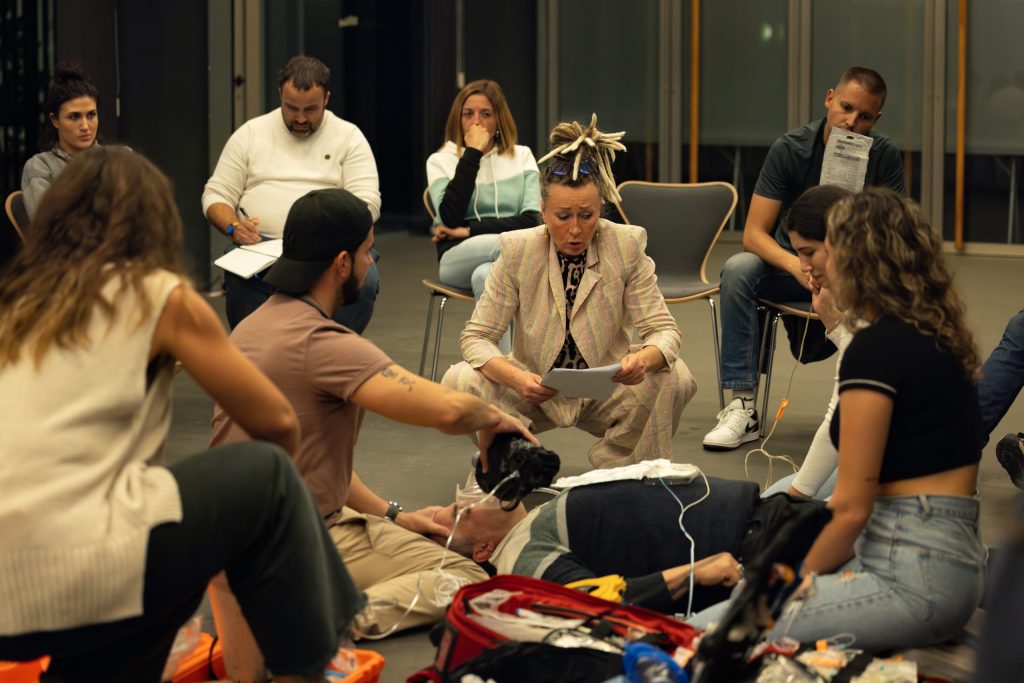
To cover practical modules and refine acting quality serving the training scenarios, the Ibiza company launched ES Dramatic this year—a branch created due to its highly specific operational needs. The Training Director explains: “We want our students to put into practice what they have learned in the course through exercises, and we want those exercises to be top quality.” A team of actors manages high-stress simulations, portraying all types of patients that test the nerves and knowledge of participants to the limit.
In these courses, participants learned to care for and protect themselves from aggressive patients, unravel the underlying psychology of drug intoxication, and handle critical situations such as sexual assaults or breaking news of a death to family members.
These sessions, featuring international participants this year from Italy, Germany, and France, reviewed psychological aspects because “patients typically do not want to explain what they took—or perhaps they don’t even know—and if they do, they use slang that practitioners must recognize in order to help them.” On the scientific side, “the majority of recreational drugs consumed have no antidote, so it is vital for healthcare workers to anticipate clinical developments before they lead to fatal outcomes,” explains the Training Director.
During the practical phase of these courses, students experienced high-stress scenarios that medical staff may encounter in their daily work. These sessions respond, as García explains, “to the hazards under which healthcare workers operate, where in addition to treating an aggressive and intoxicated patient, they may also need to protect themselves.” In this way, the Ibiza company invests in specialized training so industry professionals can effectively handle any challenges arising in clinics.