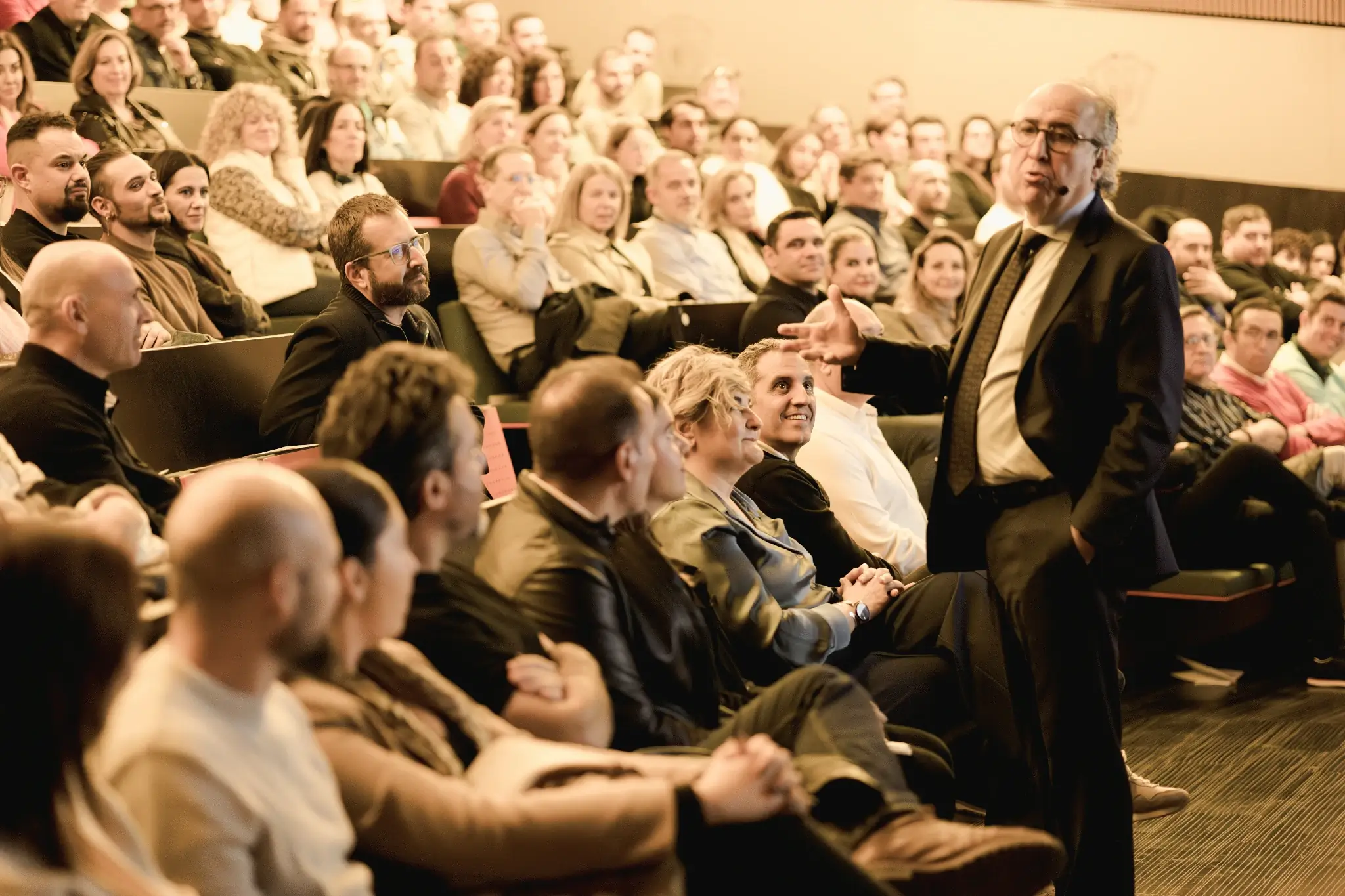
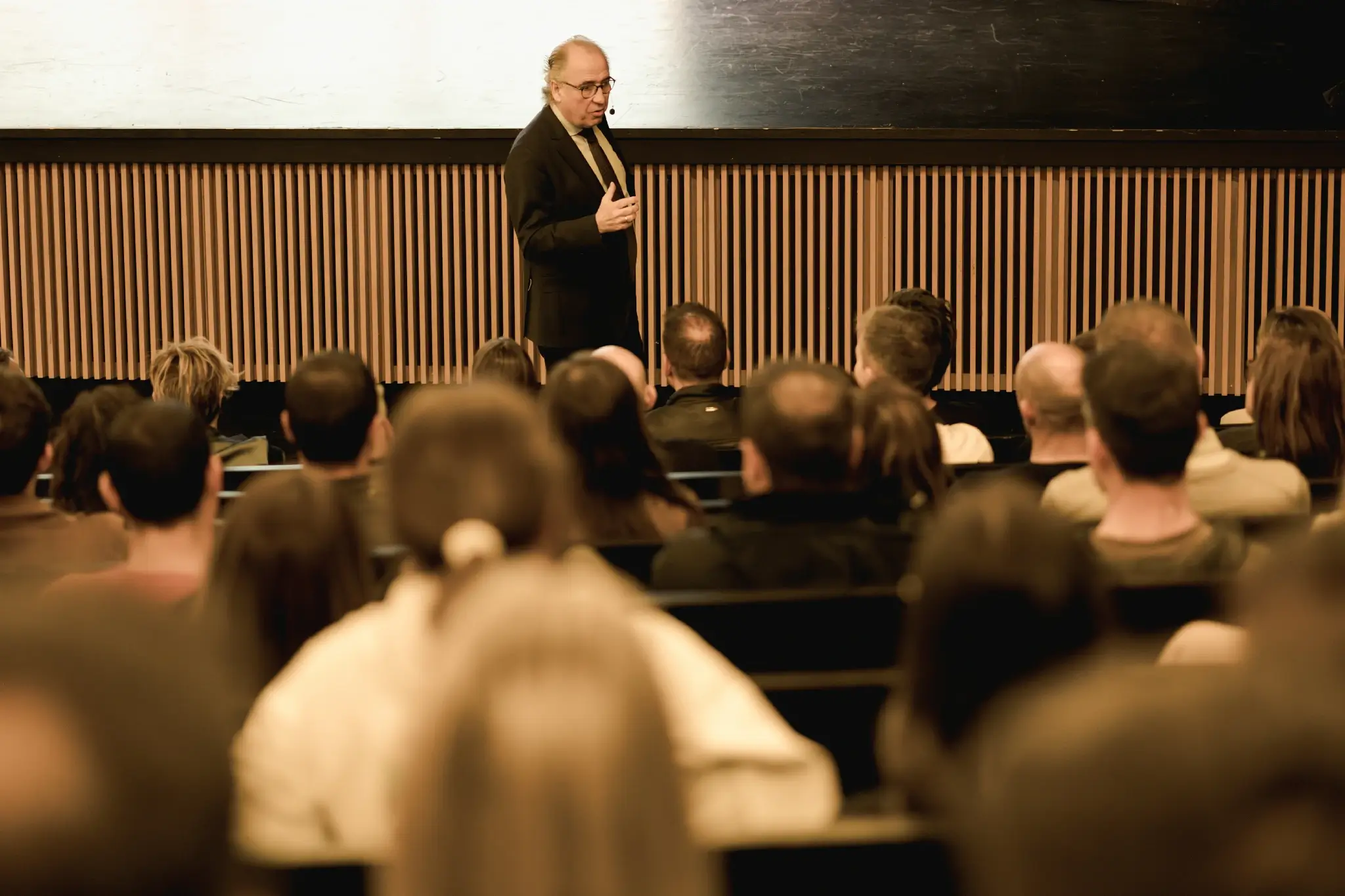
Today we would like to share an interview conducted with Lluis Andrés Tubau, co-founder of Emergency Staff, Management Director, and head of healthcare assistance in nightlife settings in Ibiza. Through this interview, we highlight the vital work done by healthcare personnel working directly in the island’s entertainment venues. This business initiative improves lives by easing patient care pressure on ambulances, hospital emergency rooms, and health centers, while preventing acute drug intoxication cases (including alcohol) from developing severe complications. We hope you find it as interesting as we do!
Q. This year marks season number 12 that Emergency Staff healthcare personnel are working directly in Ibiza’s nightlife venues. How did the idea arise to place medical personnel directly in the island’s main entertainment spots?
A. The idea stemmed from observing, during my daily work at the hospital, the collapse of public ambulance services, overcrowded emergency rooms, and the lack of specific training among healthcare personnel regarding drug-intoxicated patients. This led us to develop a “method” to treat patients directly within nightlife environments.
Some of the steps in our methodology for setting up a high-quality medical station include:
- Holding a pre-service briefing to understand the specific environment.
- Calculating entry and exit medical isochrones for the location.
- Managing health and safety risks specific to each venue.
- Developing customized medical protocols integrating the venue’s multidisciplinary team—security staff, bartenders, and venue employees.
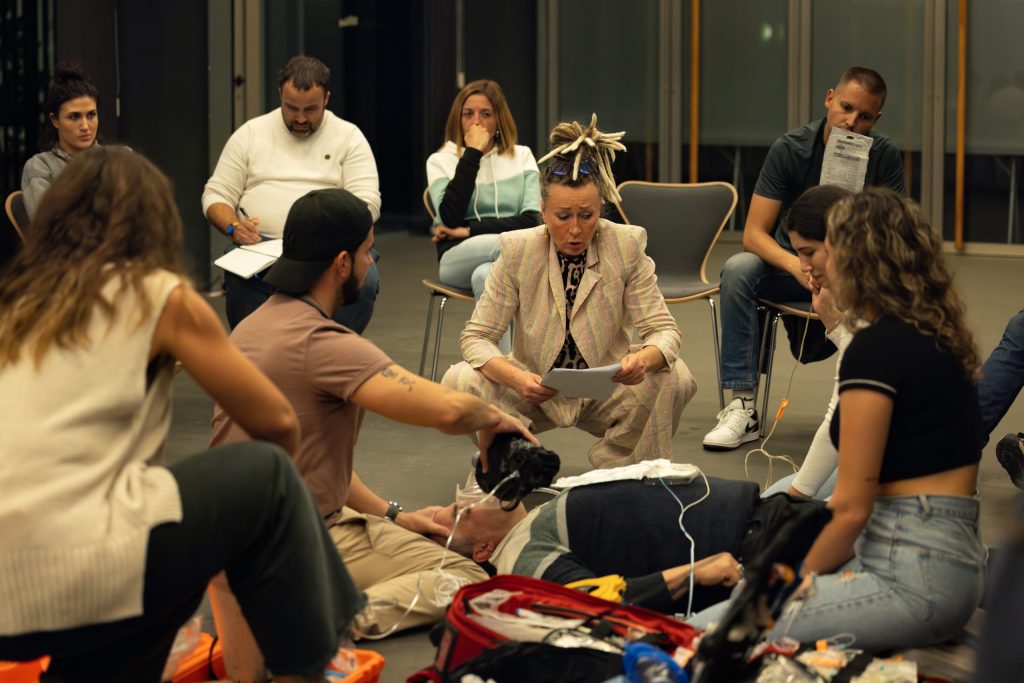
- Installing a professional medical station: Our medical staff receives specialized training across all key intervention areas: intoxicated patient care, management of aggressive patients, politrauma care, BLS, etc.
Q.On average, how many medical assistances do you perform each season, and what is the typical patient profile?
A. As our presence has expanded across various nightlife venues in Ibiza, the volume of patient interventions has grown. In recent years, we assist around 7,000 to 8,000 patients per season.
Q.What are the benefits of having healthcare personnel in a nightlife environment?
A. For me, the main reason is providing on-site medical care; being treated from minute zero can save lives. Other benefits include an enhanced perception of service quality by customers toward the venue itself, as well as legal liability relief for venue operators. Additionally, it significantly reduces patient volume pressure on public hospitals, health centers, and ambulances, leading to better utilization of public resources and lower public healthcare spending. Ultimately, having a qualified medical team in nightlife venues yields multi-faceted benefits across several sectors.
Q. Speaking of healthcare personnel, what is the typical profile of medical staff working in nightlife venues in Ibiza?
A. Across nightlife venues in general in Ibiza, I couldn’t say—haha—but in the venues where we operate, our team consists of young, highly motivated healthcare professionals eager to work in out-of-hospital environments, trained in Drug Poisoning & Intoxications, Management of Aggressive Patients, with strong skills in Basic Life Support and politrauma patient care. Many have completed these courses with us, as every year during April we offer these three training programs. Attendees include both healthcare workers looking to expand their expertise and professionals aiming to join our seasonal team in nightlife settings.
Whether through our programs or another accredited institution, these skills are essential because they make the difference between knowing or not knowing how to handle complex cases—such as drug intoxications, which represent more than half of our calls. Furthermore, candidates must be able to communicate effectively in English for medical assessments and, above all, be great human beings.
Q. Indeed, given that over half of medical interventions involve alcohol and drug intoxications, healthcare staff must be specialists in this field. Where can a healthcare professional get specialized training in drug intoxications? Is this covered during medical or nursing school degrees?
A. Unfortunately, upon graduating, most professionals possess limited knowledge in this clinical area. Moreover, both the substances and consumption habits evolve every year. We can proudly say that our Drug Poisoning & Intoxications course is among the best available. Each year we review and update it using real data and statistics gathered directly from nightlife medical interventions, and every edition receives official accreditation from the Continuing Education Commission (CFC).
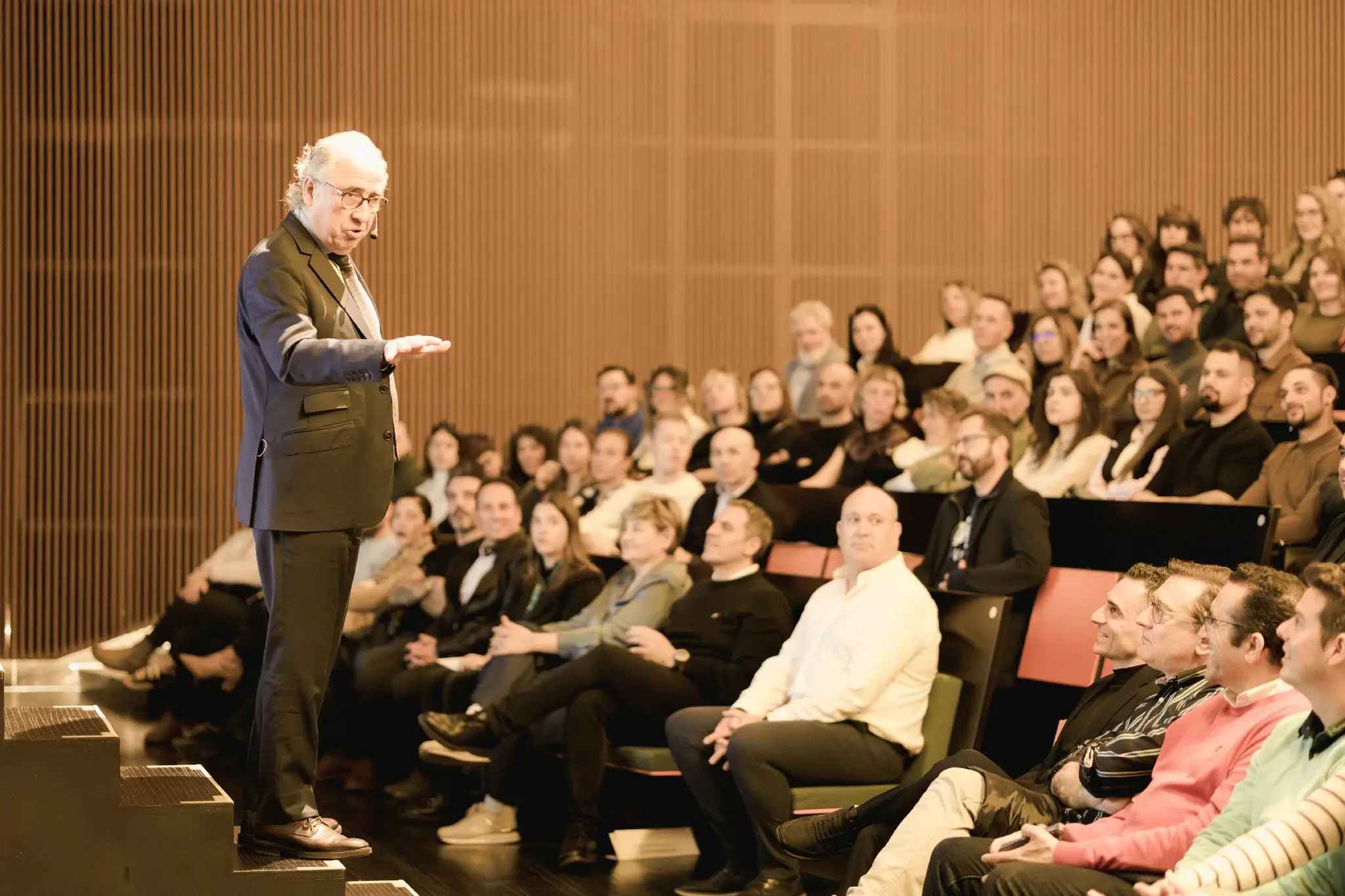
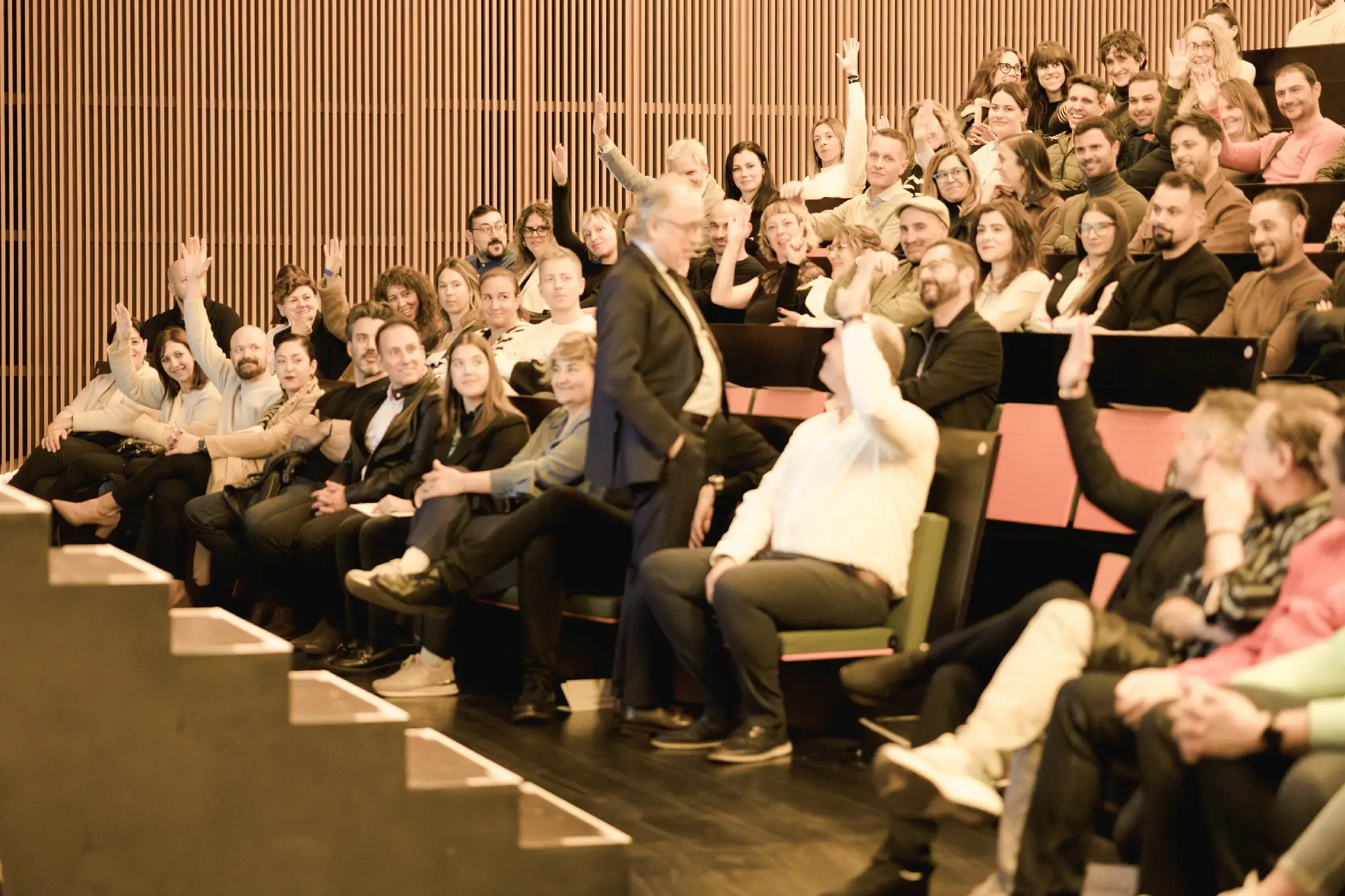
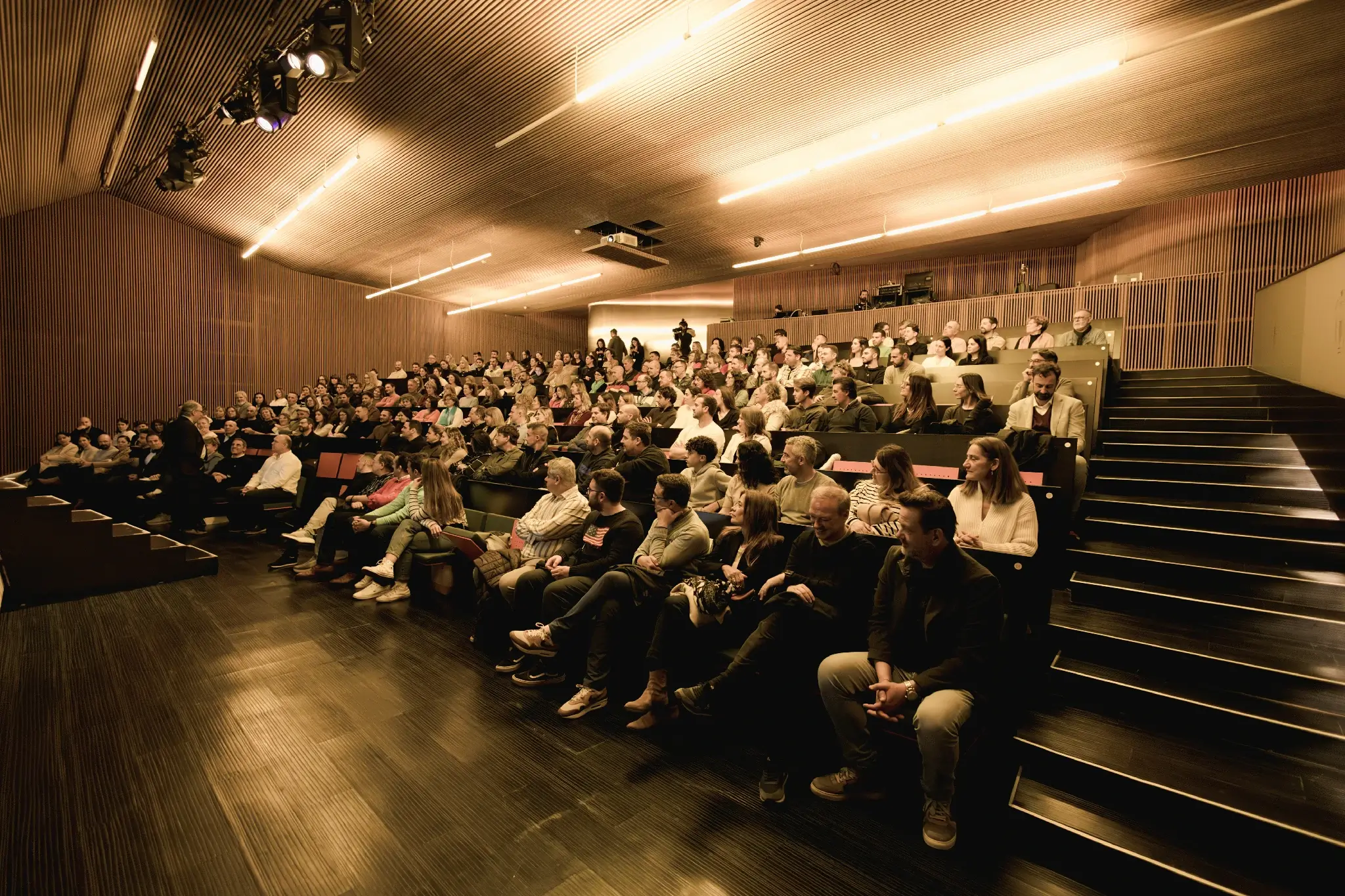
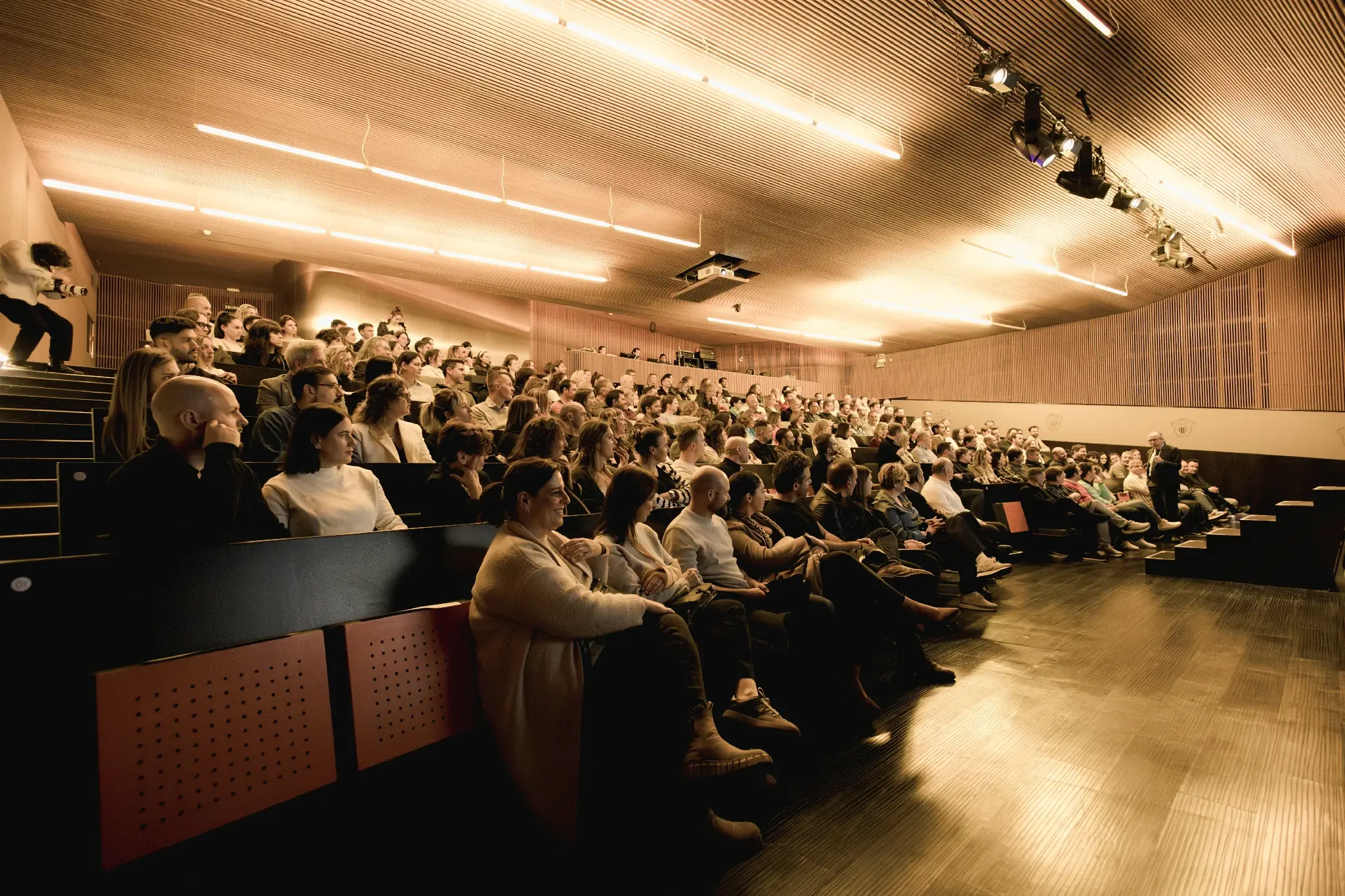
Our track record and innovative methodology lead organizations to invite us for keynotes and lectures. In 2018, for instance, we collaborated with the National Plan on Drugs in Madrid and the Municipal Drug Plan in Ibiza, training social workers and community agents. We traveled to Rimini, Italy, to train 50 psychiatrists from across Italy. We trained doctors and nurses from the INGESA health services in Ceuta and Melilla, as well as healthcare personnel from the SESCAM service in Castilla-La Mancha. Additionally, in recent years we have been guest speakers at international congresses such as SMACC in Dublin, and nightlife international summits in Berlin, Lisbon, and Ibiza.
Q.With a 97% hospital transfer avoidance rate, the financial savings for public administration must be substantial?
A. Emergency departments in Ibiza frequently experience heavy congestion. During summer, no ER escapes the influx of alcohol and drug intoxication cases, which are serious medical events; poorly managed acute intoxication can be fatal. In the areas where we operate, both 061 emergency dispatch calls and ER referrals have dropped dramatically, as only 3% of patients require hospital transfer; we resolve 97% on-site.
Quantifying the exact cost savings is complex, but even a conservative back-of-the-envelope calculation is eye-opening. Consider a 97–98% transfer avoidance rate across ~7,000 seasonal patients. Dispatching a public ambulance costs at least €600, plus an additional ~€200 for emergency room triage without admission—do the math! That is one of the main reasons venue operators in the nightlife sector place such high value on integrating our medical services.
Q.What is the most challenging aspect of managing these teams?
A. Managing teams is actually one of my favorite parts of the job. It gives me the chance to work alongside great professionals and stay connected with emerging generations of healthcare workers. We know they carry the skills learned here throughout their careers—many former students stay in touch via our social media and tell us so. Given Ibiza’s unique dynamics, the hardest challenges involve seasonal logistics and housing availability—external issues that affect all businesses across the island.
Q.And your greatest satisfaction over these 12 years?
A. Without a doubt, the people we’ve met along the journey. As I mentioned, everyone leaves with our “seed of knowledge” and operational methodology, which fills us with pride. Imagine: 12 years ago, everything I just described was merely an idea on paper; turning it into a working reality brings immense satisfaction.