Within the healthcare sector, there are great science communicators and highly respected scientific societies active on social media, especially on Twitter. Their updated content provides real value to the healthcare sector itself, to businesses, and to society in general, who can follow them as a benchmark and a reliable source of information. Nowadays, any individual or organization can curate a customized news or information channel by using a news aggregator or by following key people, organizations, institutions, and companies on Twitter. Furthermore, anyone or any entity can start a blog—a micro-media outlet—to reach a wide readership and build their own personal brand.
What is a Personal Brand?
Although some like to complicate things to the extreme, to summarize and simplify, your personal brand is your professional identity signature. With the rise of the Internet and Social Networks many years ago, the concept emerged that every individual is a brand in their own right. What you share on your blog and/or social media accounts reflects who you are, your interests, and your expertise—generating value and building your personal brand.
If done well, your followers will recognize these core traits, allowing companies and institutions to discover you as a professional. Let’s look at a couple of simple examples:
As a company planning an event, I am searching for a speaker who is a specialist in Drug Intoxications.
Most likely, I will run an online search. If I can’t find you on the Internet, regardless of how exceptional a professional you are, I won’t know you exist (you effectively don’t exist online), and therefore I cannot invite you to my event. You lose an opportunity, I lose a great speaker, and attendees miss out on your expertise and insights.
You speak at a conference, but you have neither a blog nor a Twitter profile.
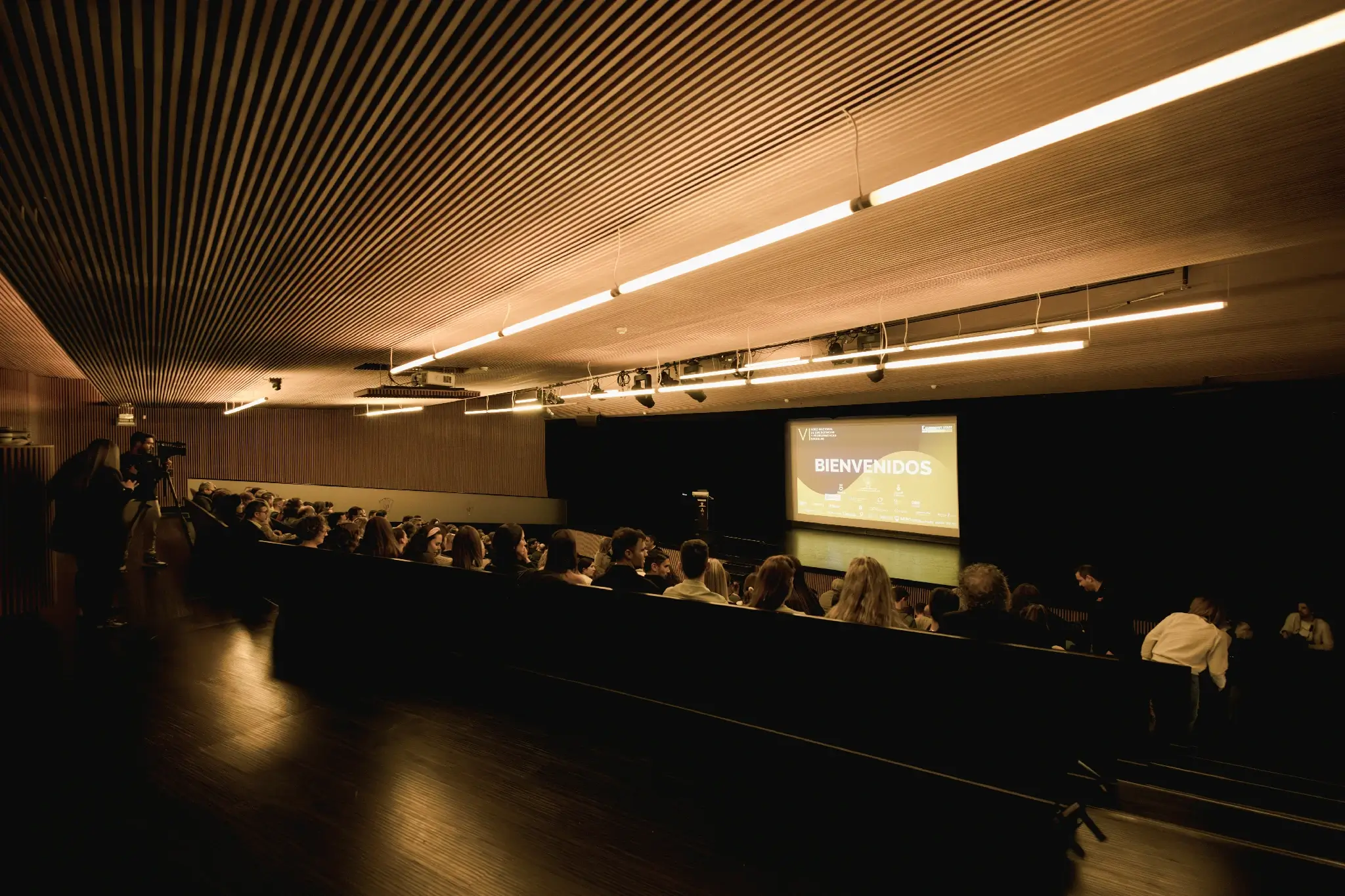
You participate in our event because a mutual friend recommended you. Ahem, not just because we’re in Spain, but because we love networking! 😛 During your talk, the audience wants to know more about you. The vast majority of attendees will look for you on Twitter to keep following your content and perspectives. Not finding you is a loss for both sides and for society at large, which will miss out on your work. Without social media or a blog, sharing your knowledge relies entirely on intermediaries: professional journals, traditional media, etc. In the Technology Era, do you really want to stay dependent on gatekeepers?
Two simple reasons showing how essential it is for any professional to have an online presence and build their personal brand. It seems hard to believe we have to write this in 2018, but we know it’s necessary. Let me keep going…
Anyone, in Any Profession, Can Create Content and Value for Society.
 More and more healthcare professionals are recognizing the potential of the Internet and Social Media. Instead of complaining about the lack of reliable online content, they are creating and sharing it themselves.
In this regard, we want to contribute by helping these professionals avoid the most common mistakes we see in the healthcare sector across blogs, websites, and social media platforms.
IMAGE & VISUAL IMPRESSION
Just as you aim to present your best professional image—showing up groomed to work, with a clean lab coat or uniform, an orderly office or consultation room—your blog, website, and social media channels reflect your image as well. It is your workplace: care for it, organize it, keep it clean. Do you think patients feel comfortable if you greet them with a tomato-sauce-stained coat and folders strewn across the floor? You are the same professional, but their perception will be vastly different. Here are key recommendations based on this principle:
- Seriously, even in healthcare, there are colors other than blue.
- It is essential to check image sizing—enlarging small photos makes them pixelated and blurry.
- Show respect for your audience by avoiding pixelated Twitter headers or distorted images on your website or blog. To prevent header distortion on Twitter, use 1500×500 px (or 1024×280 px) images.
- Avoid images that are oversized or undersized; image sizing across your site/blog should remain consistent with your layout.
- Never use copyrighted images with visible watermarks—it signals to followers that you chose not to pay the creator. Just as you expect respect for your clinical work, respect content creators. If you don’t wish to pay, use royalty-free image archives.
- When in doubt, ask Google. A quick search will provide endless guides on image management; it’s up to you to filter the best information.
DESIGN
Whether in blogs, websites, posters, presentations, or digital magazines, design is paramount. Visual presentation creates the first impression, and it is unacceptable that major professional associations, medical or nursing boards, and communicators continue using obsolete designs across their websites, slide decks, and publications…
- If you are an association or professional board, it is vital to have a professional designer create your site, blog, online magazine, slide templates, posters, etc. The home representing healthcare workers should never look run-down. If your physical headquarters isn’t a dilapidated building, why should your digital home look like one? A clean design encourages visitors to stay longer, find information easily, and share your content.
- As a science communicator, if design isn’t your forte (no one can master everything), it is worth investing a little in your blog or website. If your content is top-tier professional, why host it in an amateur environment? Content is king (or queen), but there’s no reason to make your audience cringe at poor aesthetics.
- When it comes to slide presentations and PowerPoint, audiences in every sector have grown accustomed to TED-style quality and doubt the professionalism of anyone unable to craft a good slide. “Death by PowerPoint” (all too common in healthcare) refers to slides crammed with text where the audience just reads along while the speaker fades into the background. Garish colors and slapped-on pixelated images are frequent mistakes to avoid.
STYLE & USER EXPERIENCE
Today, users access content across multiple devices: tablets, desktops, laptops, smartphones… Therefore:
- Your website or blog must automatically adapt to any screen size—it must be responsive. Typography and font sizes should also remain consistent throughout.
- To make reading comfortable, use light backgrounds with black or dark text. Include generous spacing between paragraphs to give readers visual breaks, using callouts, bullet lists, and inline images. Bold key terms in long articles to facilitate skimming and readability.
- Ensure you do not include broken links that lead to 404 error pages.
- Maintain consistent image sizing and styling in sidebars and footers.
- Avoid excessive animated GIFs.
Resources to Fix These Common Mistakes

Now that we’ve highlighted these key areas for improvement, we’d like to recommend a few resources you can use to address them.
- Images: Unsplash is a free stock photo platform featuring high-quality photography.
- Design Tools: Photoshop, Canva. Canva lets non-designers create polished graphic layouts easily.
- Typography: Google Fonts offers a massive library of typefaces. Don’t overdo it—use one font family for body text and a complementary one for headings/callouts.
- For structural website redesigns, you have two choices: study WordPress guides to install themes and plugins yourself, or hire a professional. It is money well spent (speaking from experience). If you choose the DIY route, select a premium theme from platforms like ThemeForest.
In addition to these resources, visit well-designed blogs and websites and inspect the social profiles of colleagues to train your eye. Pay attention to details: color palettes, typography hierarchy, and content formatting.
We hope this article is helpful and inspires you to keep improving. If you made it this far, you probably found this content interesting—don’t keep it to yourself! Sharing value is a core trait of great communicators. Go ahead and share!
We invite you to share this article.